
When the World Is Already Ending: The Best Dark Fantasy Series for Readers Who Want the Stakes to Feel Real
There is a specific kind of dark fantasy that does not give you time to ease in.
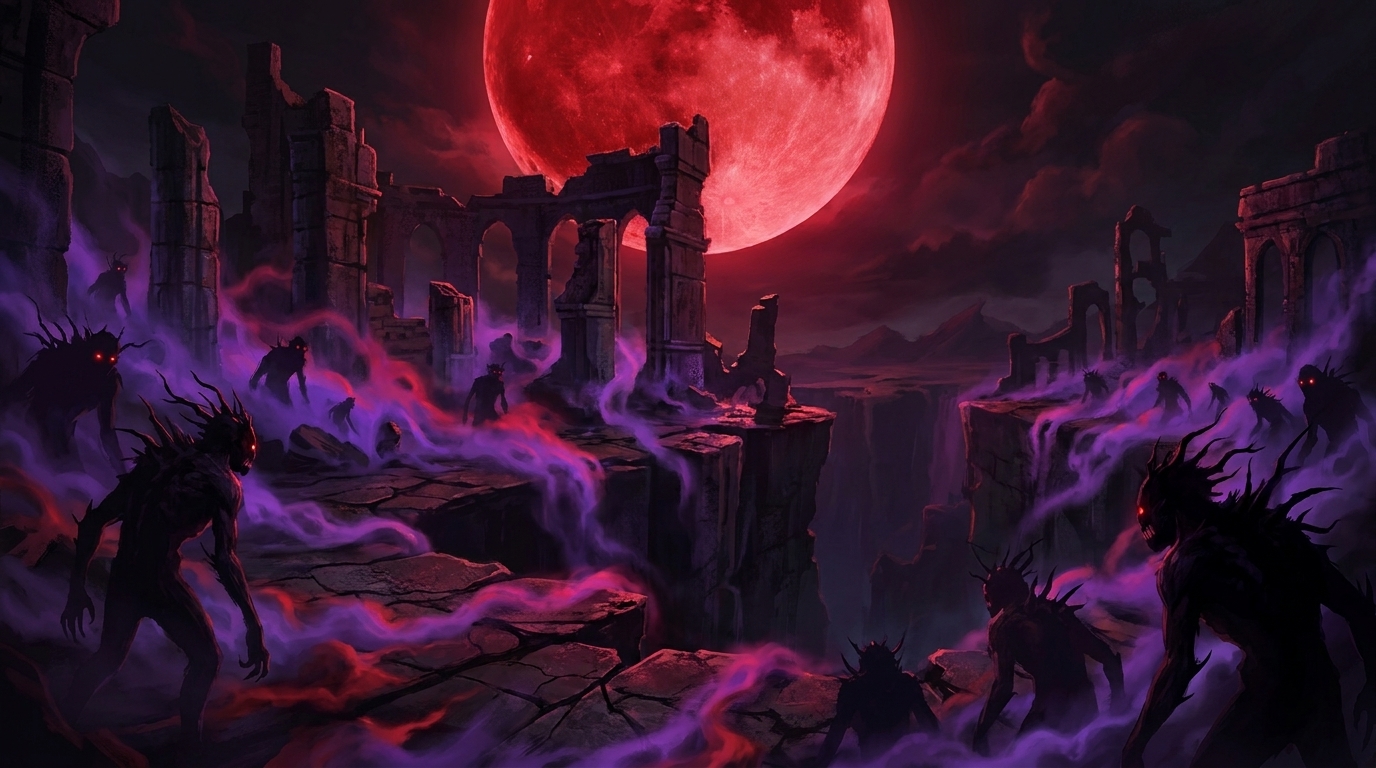
The Veil is already cracking. The creatures are already moving. The ancient agreements that held the world together are already unraveling at the edges. And your protagonists are arriving late, armed with incomplete knowledge and no guarantee that anything they do will be enough.
This is the dark fantasy that horror readers have always wanted from the genre. Not "a hero chosen to prevent catastrophe before it begins," but something more unsettling: a world already mid-collapse, where survival depends less on prophecy and more on understanding what broke. And why.
If you have been searching for dark fantasy series with genuine, bone-deep stakes, this is the reading list you have been looking for.
What Makes Stakes Feel Real in Dark Fantasy
Most epic fantasy series build toward apocalypse. The chosen hero, the gathering darkness, the final confrontation. It is a structure so familiar it has become almost comfortable.
The best dark fantasy inverts this. The catastrophe is not coming. It has been scheduled for three thousand years, and the only question is whether anyone alive today understands the mechanism well enough to do anything about it.
This is what separates atmospheric, lore-driven dark fantasy from its more conventional cousins. The world is not threatened in some abstract future tense. It is threatened now, structurally, at the foundation level. And the characters who step into that reality are not chosen heroes but people who stumbled into the truth at the worst possible moment.
Stakes feel real when:
- The world has a history of failure, not just a history of triumph
- The enemies are not simply evil but are operating on their own coherent logic
- The magic system creates consequences, not solutions
- The characters have incomplete information and act on it anyway
- The ending is not guaranteed to be good
When a dark fantasy series builds all five of these elements together, what you get is something closer to dread than excitement. And for the right kind of reader, that is precisely the point.
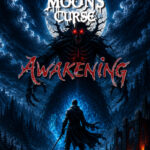
The Moon's Curse Trilogy. Londyn Publishing
The Moon's Curse: Awakening | Descent | Blood Moon
The Moon's Curse Trilogy begins with a world that is already losing. The Veil. An ancient, covenant-bound structure separating humanity from the Nythrall. Is weakening. And the Blood Moon, which has not risen in three thousand years, is coming.
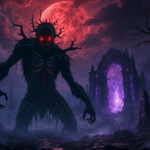
The Nythrall are not traditional fantasy monsters. They are not driven by hunger or mindless aggression. They are moon-bound shadow creatures, ancient and patient, who signed a Covenant with the founders of the Veil and have been waiting. Three thousand years. For its final terms to be fulfilled. That patience is more frightening than any roar or charge. Something that powerful does not need to rush.
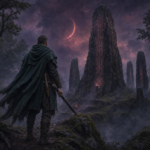
Evan Hartwell, the trilogy's protagonist, is not a chosen hero in any conventional sense. He is a man who makes contact with a truth the rest of the world has forgotten: that the Veil's collapse is not an accident but a conclusion. Beside him, Lira Thornfield. Scholar, archivist, and one of the few people who has actually read what the Covenant says. Pieces together what was lost across three millennia of civilizational amnesia. Auren Draevan moves through the world's threshold communities, the people who have survived at the edge of the Veil long enough to develop their own cultures of resistance. And Father Kalen Draemir, the trilogy's most unsettling presence, is a true believer who never doubted the Blood Moon was coming. And whose certainty cost him everything.
The Moon's Curse is dark fantasy built on the premise that the scariest thing is not a monster you do not understand. It is a monster you begin to understand completely, and realize has been right all along.
The full trilogy is available now at londynpublishing.com. All three books, all questions answered, no waiting.
What Dark Fantasy Readers Are Actually Searching For
The phrase "best dark fantasy series" returns millions of results, most of them pointing toward the same dozen titles. And those are excellent books. But the readers asking that question are often looking for something the major lists do not fully capture: dark fantasy that takes its horror seriously, that builds creature mythology from the ground up rather than borrowing it from familiar templates, and that trusts its readers enough to leave some of the dread unresolved.
Readers who gravitate toward:
- The Witcher. For its moral ambiguity and creature lore built on folklore rather than convenience
- Bloodborne. For its atmosphere of civilizational decay and cosmic horror lurking beneath ordinary rot
- Empire of the Vampire. For its willingness to sit inside the worst possible timeline without flinching
- A Song of Ice and Fire. For its long-game political horror and consequences that outlast individual decisions
These readers are not looking for comfort. They are looking for dark fantasy that earns its darkness. Where the violence means something, where the monsters have internal logic, and where the world feels like it could genuinely break.
The Moon's Curse Trilogy was written for exactly this reader.
The Role of Creature Mythology in High-Stakes Dark Fantasy
One of the most common failures in dark fantasy is monster design by convention. Vampires act like vampires. Demons act like demons. The creature is a vessel for familiar behavior rather than a genuinely foreign intelligence.
The Nythrall sidestep this entirely by being defined not by what they do, but by what they agreed to. Their covenant with the founders of the Veil is the center of their characterization. They surrendered something. The right to act unilaterally, to move freely across the world, to take what they could. In exchange for the Covenant's terms. What those terms eventually demand is the engine of the trilogy.
This approach to creature design gives The Moon's Curse Trilogy something most dark fantasy lacks: an antagonist whose logic you can follow without being able to dismiss it. The Nythrall are not wrong, exactly. They are operating within the terms of an agreement the rest of the world forgot. And Lira Thornfield's archive research, which surfaces those terms piece by piece across the three books, creates exactly the kind of slow dread that distinguishes literary dark fantasy from action fantasy with dark aesthetics.
Why Complete Trilogies Matter for This Genre
Dark fantasy readers have been burned by unfinished series more than readers of any other genre. The investment required. In lore, in creature mythology, in long-game political structures. Means an unfinished series is not just an inconvenience. It is an incomplete experience in a way that a standalone novel or a lighter series simply is not.
The Moon's Curse Trilogy is complete. All three books. Awakening, Descent, and Blood Moon. Are written, published, and available now. Every thread resolves. Every question the lore opens, the story answers.
For readers who have learned to be cautious about investing in a dark fantasy world, this matters.
Enter the World Beyond the Veil
If you have been searching for dark fantasy that takes its world seriously. Where the monsters have depth, the stakes are structural, and the ending earns what the opening promises. The Moon's Curse Trilogy is waiting.
Explore the complete trilogy at londynpublishing.com.
The Blood Moon rises. The Veil holds. For now.