
Most people who set out to write a novel have one goal: finish the book.
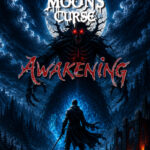
I had a different problem. Before I typed the first scene of The Moon's Curse: Awakening, I already knew there was a world I needed to build. A world with its own mythologies, its own ancient orders, its own creatures that did not fit neatly into what readers had seen before. The Nythrall were not traditional vampires. The Veil was not a simple magic system. And the story I was trying to tell could not be contained in a single volume — or a single format.
That realization changed everything about how Londyn Publishing was built.
The Decision to Build a Brand, Not Just a Book
When most indie authors think about self-publishing, they think about a cover, a KDP account, and an Amazon listing. That is a completely valid path. But it was never the right path for what The Moon's Curse needed to be.
The Moon's Curse is a trilogy — a complete, three-book arc covering Awakening, Descent, and Blood Moon. It was always conceived as a serialized universe with room to grow beyond those three volumes. The lore runs deep. The creatures have histories. The Veil has rules that bleed across every storyline. From the beginning, the question was never just "how do I publish this book?" — it was "how do I build the home this world deserves?"
That is where Londyn Publishing began.
What Building a Publisher Actually Looks Like
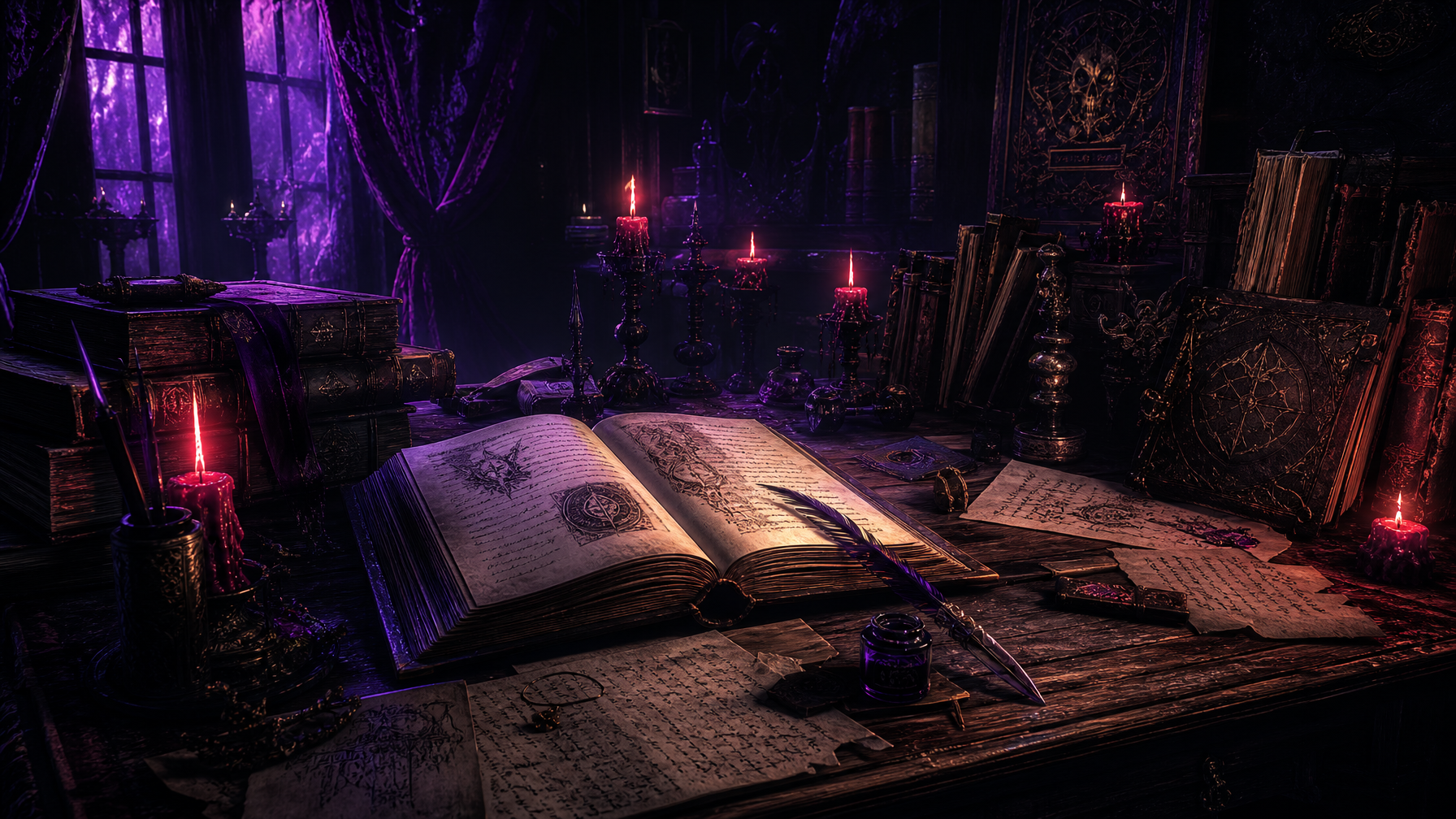
Naming an indie press sounds like a formality. For me, it was a declaration of intent. Londyn Publishing became the container for everything the Moon's Curse universe would eventually need: a website that felt like stepping into the world rather than landing on a product page, a brand voice rooted in dark myth and cinematic atmosphere, and a design identity — deep black, violet, crimson-rose — that made every touchpoint feel intentional.
The brand phrases came next. Beyond the Veil is not just a marketing line. It is the axis around which the whole mythology turns. The Veil is what separates the known world from the Nythrall. It is what Evan, Lira Thornfield, and Auren Draevan spend three books trying to understand, protect, and ultimately confront. When readers encounter that phrase on the website or in a post, they are not reading marketing copy — they are entering the world.
That distinction matters more than most indie authors realize.
Lore Before Launch
One of the decisions I made early — and one that required trusting a longer timeline — was building the lore infrastructure before prioritizing sales volume. That meant developing creature mythologies that never made it into the main text. It meant writing backstories for Father Kalen Draemir that shaped how he appears in scenes, even when readers do not see the full picture. It meant creating a lore vault, the Beyond the Veil extras section, as a companion to the books rather than an afterthought.
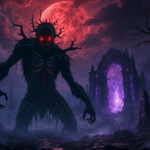
The reasoning was simple: readers who love dark fantasy do not just want to consume stories. They want to inhabit them. They want to know what the Nythrall are at a biological and mythological level. They want to understand what the Blood Moon actually triggers and why it matters beyond the immediate plot. They want characters with real histories.
Building that depth first gave the writing something to draw from. It also gave the brand something to sustain.
What Indie Publishing Actually Costs
Not monetarily — though that conversation deserves its own post. What indie publishing costs in real terms is time, vision, and the willingness to build something that looks unfinished from the outside for longer than feels comfortable.
There are no shortcuts to building a publishing brand with genuine identity. The cover art matters. The website copy matters. The categories you file under on every platform matter. The way you talk about your characters in a social post matters. Every touchpoint is either reinforcing the world or diluting it.
Most of those decisions are invisible to readers. That is exactly the point.
Why It Was Worth It
Londyn Publishing exists today as a complete indie press with a finished trilogy, a growing content library, merchandise through The Atelier, and an audience of dark fantasy readers who found their way here through lore posts, atmospheric content, and word of mouth.
None of that would have happened if the first decision had been "how do I sell a book" instead of "how do I build a world."
The book is the door. The world is what readers stay for.
If you are an indie author building something with real lore depth and a long-game vision, that reframe — from book to universe — changes every decision that follows.
The Moon's Curse Trilogy is available now in paperback, hardcover, and eBook. Explore the world at londynpublishing.com.