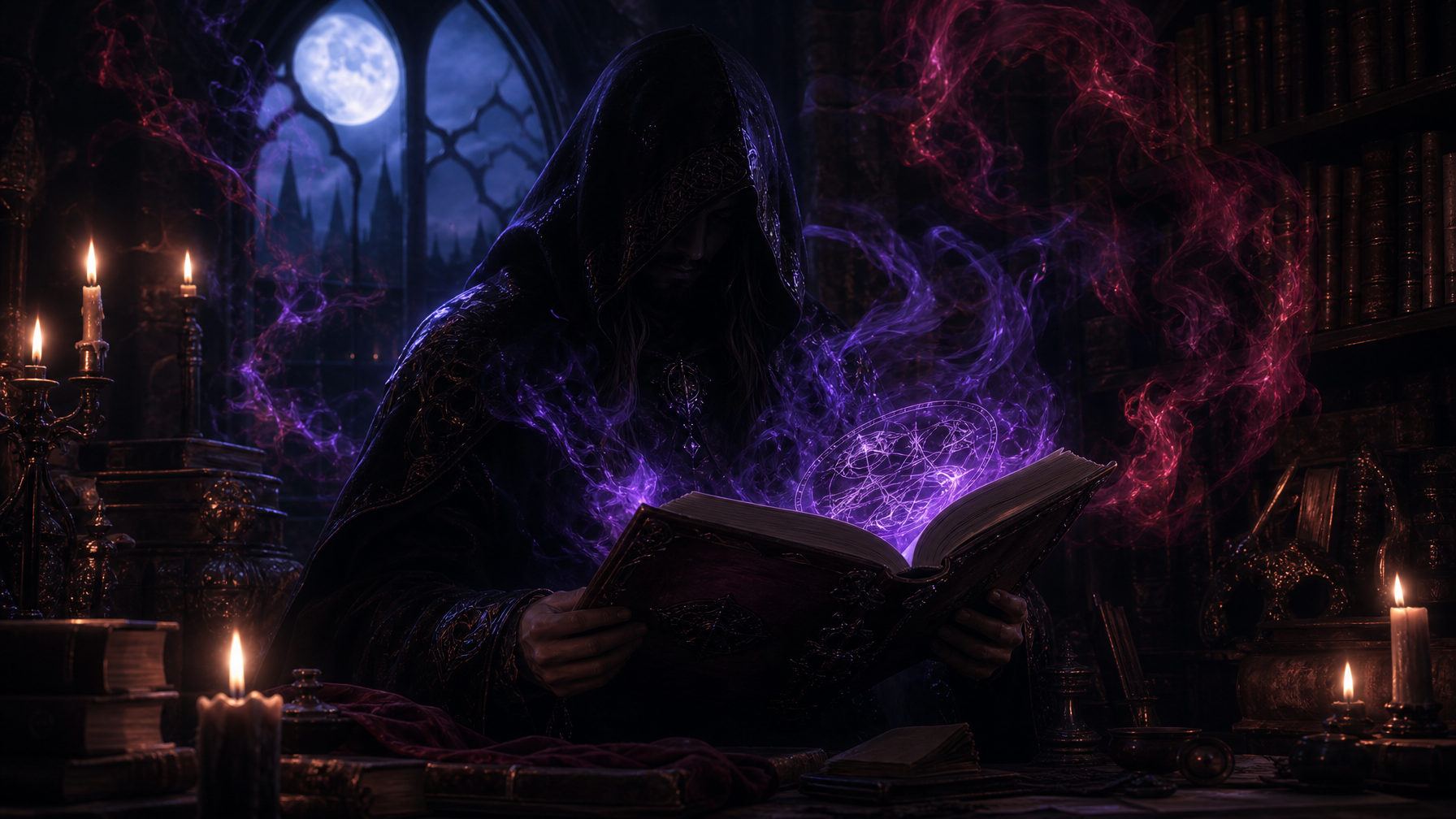

Something shifted in the fantasy reading community. It started quietly — readers lingering on lore chapters longer than action sequences, fan pages dedicated not to ships or plot twists but to the internal rules of fictional magic systems. Comment sections filling up with theories about creature origins, sigil meanings, and the mechanics of dimensional barriers.
BookTok didn't just discover dark fantasy. It discovered the lore reader.
A New Kind of Reader Is Driving the Conversation
For years, fantasy discourse centered on plot momentum. Did the story move quickly? Was the protagonist compelling? Were there enough surprises to keep you turning pages past midnight?
Those questions haven't disappeared — but they've been joined by something deeper. Today's most engaged BookTok readers aren't just consuming stories. They're excavating them.
They want to know why the magic system works the way it does. They want the mythology that predates the protagonist. They want the creature that existed in the dark before the first chapter opened. They want to understand the world before they trust it with their time.
This is the lore reader. And they are reshaping what dark fantasy means on social media.
Why World-Building Became the New Hook
Blame (or credit) the franchises that trained this generation of readers to expect depth beneath the surface. Games like Bloodborne and The Elder Scrolls rewarded players who read item descriptions and tracked environmental storytelling. Shows like Castlevania built entire arcs around mythology that predated the narrative. A Song of Ice and Fire proved that a fictional world rich enough to argue about was worth more than a tidy plot.
BookTok inherited that appetite.
When a reader encounters a magic system with internally consistent rules — where every cost has a consequence and every power traces back to something ancient and half-understood — they don't just enjoy it. They post about it. They theorize. They create content around it. They recruit other readers into the world.
A great plot can generate buzz for a week. A great mythology can generate a community for years.
The Creatures Matter More Than Ever
One of the clearest signals of the lore reader's rise is the renewed obsession with creature mythology. Not monsters as obstacles — monsters as entities with their own histories, their own rules, their own tragic coherence.
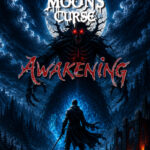
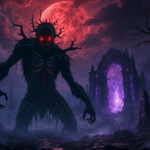
The Nythrall, the moon-bound creatures at the center of The Moon's Curse trilogy, are a direct expression of this philosophy. They are not traditional vampires, not genre shorthand dressed in new clothing. Their existence is tied to the Veil — the ancient boundary separating the human world from what lies Beyond. Their behavior shifts with the Blood Moon's cycle. Their hunger is not random. It is cosmological.
Lore readers notice that distinction immediately. When the mythology earns itself — when every detail connects back to a deeper system — readers don't just accept the creatures. They become invested in understanding them.
That investment is what drives long-form BookTok content. Fifteen-second reaction clips are fun. But a three-minute deep dive on creature origins? That's the content that builds loyal audiences.
World-Building as Emotional Infrastructure
There's a deeper reason the lore reader trend has staying power: world-building is not decoration. It's emotional infrastructure.
When readers understand the rules of a world — when they know what the Veil costs to maintain, why the Blood Moon is feared across generations, what a Veil guardian loses when they fail — they don't just follow the characters. They feel the weight of every decision those characters make.
Evan Hartwell's choices in Awakening land differently if you understand what the Veil represents. Lira Thornfield's obsession with the Covenant reads as tragedy, not stubbornness, once you grasp how the system was designed to fail. The world doesn't just provide backdrop. It provides stakes.
Lore readers understand this intuitively. When they post about the world-building that moved them, they're describing the mechanism by which the story earned its emotional impact.
What This Means for Dark Fantasy Right Now
The practical implication for dark fantasy readers and authors is straightforward: depth is not a liability. The common advice to trim world-building for pacing still applies in moderation — but the idea that mythology slows a story down is increasingly out of step with how BookTok readers actually engage.
What they want is purposeful depth. Lore that connects. Mythology that pays off. A creature that appears on page ten and is still revealing new dimensions on page three hundred.
If you're a dark fantasy reader who has spent time defending your preference for lore-heavy books to friends who just want the plot to move — the culture has caught up with you. The lore reader is no longer the exception. They are driving the conversation.
Beyond the Veil
The Moon's Curse trilogy — Awakening, Descent, and Blood Moon — was written for exactly this reader. Every chapter of world-building is load-bearing. Every piece of creature mythology connects to a larger system. The Veil is not a metaphor. It is a mechanism with rules, history, and consequences that the characters have to reckon with across all three books.
The full trilogy is complete and available now at londynpublishing.com.
If you are a lore reader, you have found your series.