
The Creature Lore Obsession: Why BookTok Can't Stop Talking About Monster Mythology
There is a particular kind of reader who doesn't just want to know what the monster does. They want to know what the monster is. Where it came from, what rules bind it, what it wants when no one is watching.
BookTok has proven, definitively, that this reader exists in the millions.
Over the past few years, something has shifted in the way dark fantasy readers discover and discuss books online. The conversation has moved well beyond plot summaries and star ratings. Now, what drives the most engagement on BookTok isn't a five-star review. It's a reader sitting on camera at midnight, voice low, walking through the mythology of a creature they encountered in a book and couldn't stop thinking about.
The creature lore video has become one of dark fantasy's most reliable viral formats. And it's worth asking why.
When the Monster Is the Lore
For decades, popular fiction kept its monsters relatively simple. They were obstacles. Dangerous, sometimes seductive, ultimately defeatable. What made them scary was their threat level, not their cosmology.
Dark fantasy changed that, and BookTok readers noticed.
The most beloved creatures in the current dark fantasy conversation aren't the ones who are simply powerful. They're the ones who arrive with a system attached to them. A set of rules, a history, a reason they exist that predates any protagonist in the story. Readers don't just want to encounter the monster. They want to understand the world well enough to know why the monster was inevitable.
This is why discussions of creature mythology generate so much comment-section heat. When a reader posts a video theorizing about a creature's origin, other readers pile in. They correct details. They add context. They argue about implications. The mythology becomes a collaborative text. Something the community continues to build together long after the last page.
The Nythrall and What Moon-Bound Actually Means
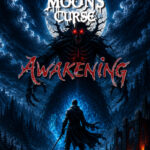
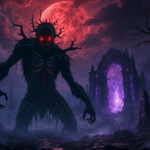
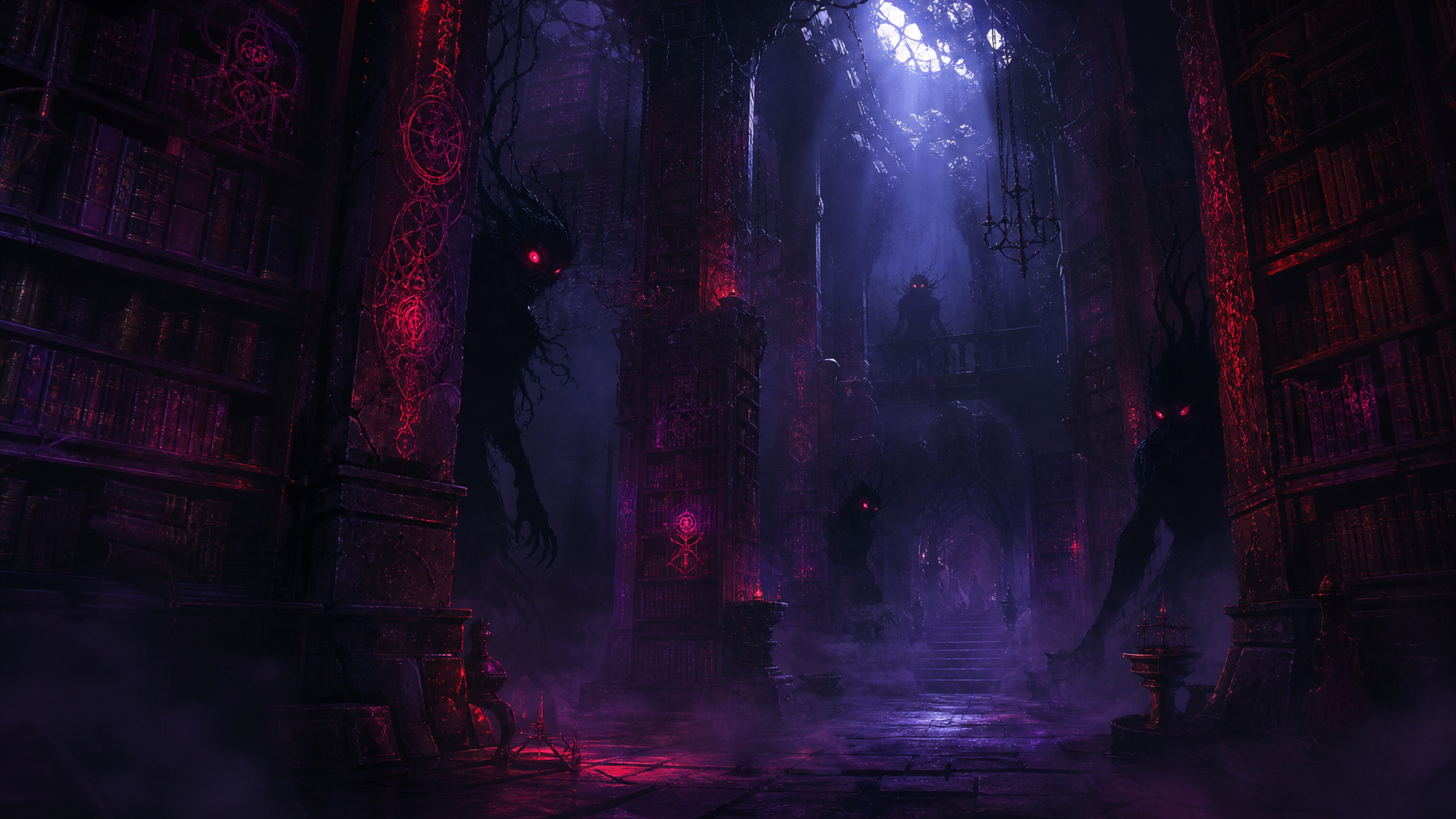
In The Moon's Curse trilogy, the Nythrall exist precisely in this space. They are moon-bound shadow creatures who operate not by instinct alone, but by contract. The Veil Covenant. The ancient agreement that separates humanity from the Nythrall. Is not merely a barrier. It is a document. A living record of terms, obligations, and consequences. The Nythrall did not have the Covenant forced upon them. They ratified it.
That detail changes everything about how readers engage with them.
When you learn that the Nythrall chose to enter a binding agreement with humanity. That they surrendered the right to act without negotiation. They stop being monsters in the conventional sense. They become something more unsettling: parties to a deal. Entities who have waited three thousand years for the terms to expire. And in Blood Moon, those terms are expiring.
This is the kind of mythology that BookTok creature lore videos are built around. Not "what does the monster want?" but "what did the monster agree to. And what does it look like when that agreement ends?"
Why Readers Go Looking for the Rules
There is something psychologically satisfying about a monster that operates by rules. It suggests that the horror is not random. That it has structure. That somewhere, deep in the world's history, someone made a choice that set all of this in motion.
Fantasy readers, particularly the lore-driven archetype that has found a home on BookTok, are drawn to this structure the way some readers are drawn to magic systems. The creature's mythology is, in a sense, the world's operating code. Understand the Nythrall's Covenant, and you understand why the Blood Moon's approach is an ending, not just an event.
This is also why creature lore tends to reward re-reading. The first time through, the mythology is atmosphere. The second time, it's architecture. Readers who have gone back through Awakening and Descent after finishing Blood Moon often report that the Nythrall feel entirely different once you understand what the Covenant actually costs them.
The Lore Reader as Community Engine
On BookTok, lore-focused readers function differently from general reviewers. They don't just recommend a book. They build an argument for why the world it contains is worth inhabiting. Their videos tend to generate longer comment threads, more saves, and more shares than straightforward reviews. They attract readers who are hungry for exactly this kind of density.
For a series like The Moon's Curse, this matters. The trilogy was written with this kind of reader in mind. The reader who will notice that the Nythrall's patience is not passivity, that their restraint over three millennia has a legal basis, and that the seventh Veil node's location is not accidentally obscured.
These are the readers BookTok is surfacing. And they are looking for exactly what creature mythology delivers: a world with internal logic, ancient stakes, and monsters who earned their place in the story.
Beyond the Veil, the Nythrall have always been waiting. The Moon's Curse trilogy. Awakening, Descent, and Blood Moon. Is available now at londynpublishing.com.