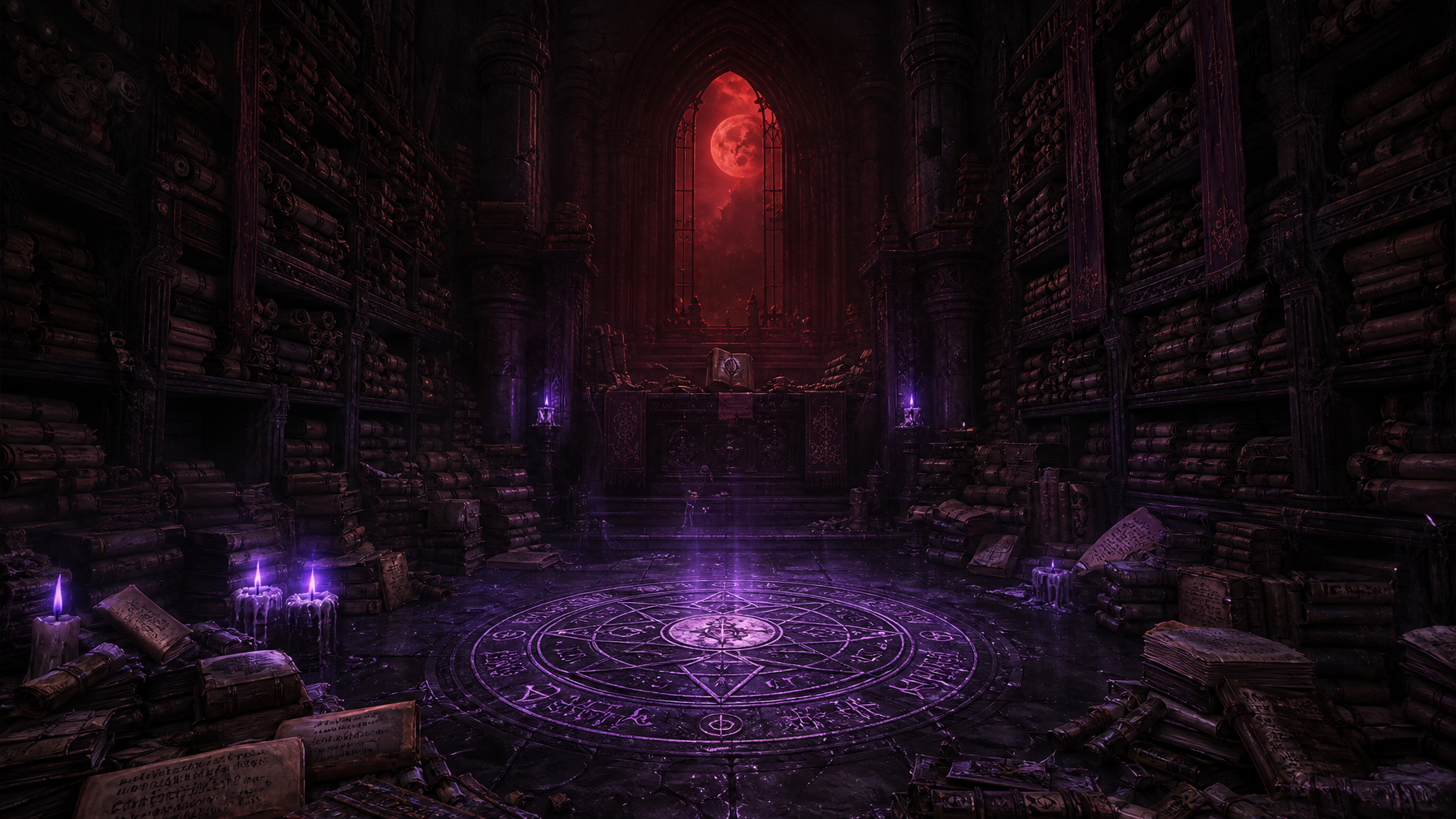

Ancient Covenants and Cosmic Dread: The Best Dark Fantasy Books Built on Binding Magic
There is a particular kind of dread that only dark fantasy can deliver. Not the sudden horror of a monster in the dark, but the slow, suffocating weight of something ancient closing in. An agreement made thousands of years before you were born, written in blood and stone, pulling the world toward a conclusion it cannot escape.
The best dark fantasy books understand this. They are not simply stories about evil. They are stories about inevitability. About worlds where the rules were written so long ago that no living character fully understands them, and the consequences of forgetting are catastrophic.
If you are searching for dark fantasy series built around binding covenants, ancient prophecy, and the creeping dread of cosmic inevitability, this guide is for you.
What Makes Covenant-Based Dark Fantasy Different
Most fantasy magic systems are transactional. A wizard casts a spell. A warrior swings a sword. The cause and effect are immediate, visible, and human-scaled.
Covenant magic operates differently. It is contractual at a civilizational level. Agreements forged between forces that do not think in human lifespans, etched into the fabric of reality itself. The horror is not what the magic does to you in the moment. It is what it has always been doing, quietly, in the background, while you were living your life and forgetting.
This subgenre sits at the intersection of dark fantasy, cosmic horror, and mythology. It rewards readers who want lore that feels genuinely ancient. World-building that extends far beyond the events of any single novel. The creatures are not simply monsters. They are signatories. The magic is not a tool. It is a legal framework with teeth.
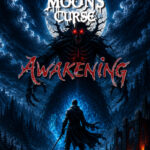
The Moon's Curse Trilogy by Jason Moore
The Moon's Curse. Comprising Awakening, Descent, and Blood Moon. Is perhaps the most fully realized example of covenant-based dark fantasy in contemporary indie fiction.
The central premise is deceptively simple: three thousand years ago, humanity and the Nythrall entered into a binding agreement called the Veil Covenant. In exchange for containing the Nythrall Beyond the Veil, humanity was granted a period of relative peace. The Covenant had terms. Both sides signed. The interval was always finite.
It is now ending.
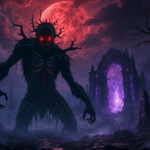
What makes The Moon's Curse extraordinary is what author Jason Moore does with that premise at the character level. The Nythrall are not traditional vampires. They are moon-bound, shadow-dwelling entities who have spent three millennia honoring the terms of an agreement. Not because they are good, but because they are bound. The Veil is not a barrier humanity maintains. It is a document humanity has forgotten how to read.
Protagonist Evan Hartwell enters a world where the rules have always existed but no one remembers what they agreed to. Scholar Lira Thornfield spends the trilogy trying to reconstruct the original Covenant language from fragments. Ranger Auren Draevan knows things that exist in no archive. And Father Kalen Draemir. The series' most haunting figure. Never doubted the Blood Moon was coming. His certainty is not faith. It is literacy.
The trilogy is complete. All three books are available now. You can read straight through without waiting for a conclusion that may never come. For readers who have been burned by unfinished series, this matters.
Read if you enjoy: cosmic horror-adjacent fantasy, lore-heavy world-building, morally complex antagonists, supernatural mythology with internal logic.
Comparable Series in the Dark Fantasy Space
The Name of the Wind / Kingkiller Chronicle by Patrick Rothfuss
Rothfuss builds a magic system rooted in naming and sympathy. Both of which carry binding weight. The deeper lore of the Chandrian and the Amyr suggests a covenant-like history between ancient forces that the protagonist is slowly, dangerously uncovering. The atmosphere is quieter than The Moon's Curse, but the sense that the world operates under rules older than any living character is persistent throughout.
Note: The series remains unfinished. Readers seeking a complete arc should approach with awareness.
The First Law Trilogy by Joe Abercrombie
Abercrombie's grimdark trilogy operates on a different kind of inevitability. Not cosmic covenant, but the binding logic of history repeating itself. The world's structures are self-perpetuating. Characters who believe they are making free choices discover they are enacting patterns set in motion long before them. It is covenant magic in a purely human register: no supernatural sigils, but the same suffocating sense that nothing happening now is new.
The trilogy is complete, with additional standalone novels set in the same world.
Empire of the Vampire by Jay Kristoff
Kristoff's series offers a world where the sun no longer rises and vampires. The Voss Immortel. Have claimed the darkness as theirs by right of conquest rather than contract. The protagonist, Gabriel de León, is the last of an order sworn to protect humanity. The binding is martial and theological rather than magical-legal, but the sense of an ancient arrangement breaking down is palpable throughout.
Rich with lore, mythology, and moral complexity. First volume complete; series ongoing.
A Shadow of All Night Falling by Glen Cook
An earlier touchstone for the subgenre. Cook's Dread Empire series introduced readers to the idea of dark fantasy built around political-cosmological agreements, where the line between an empire's laws and the laws of reality itself is deliberately blurred. Atmospheric, dense, and rewarding for readers who want lore that assumes you will work to understand it.
What to Look for in Covenant-Based Dark Fantasy
If this subgenre resonates with you, there are particular qualities worth seeking in any new series you pick up.
Internal consistency. The best covenant-based fantasy holds to its own rules even when. Especially when. It is inconvenient for the narrative. The Nythrall in The Moon's Curse do not break their terms when it would make for a simpler story. They honor the Covenant because the Covenant binds. A series that abandons its own logic destroys the dread it worked to build.
Layered timeline. Great covenant fantasy makes you feel the weight of what happened before page one. The three-thousand-year interval in The Moon's Curse is not backstory. It is active atmosphere. The past is present in every scene.
Lore that rewards rereading. Covenant-based worlds are built to be returned to. Details that seemed decorative in Awakening become load-bearing in Blood Moon. A good series in this subgenre improves on the second read.
Characters who are legible to the lore. The most compelling figures in covenant-based dark fantasy are defined by their relationship to the rules. Whether they understand them (Father Kalen Draemir), are trying to reconstruct them (Lira Thornfield), are operating without them (Auren Draevan), or are caught inside their consequences without fully understanding why (Evan Hartwell). This creates a natural dramatic tension that does not require manufactured conflict.
Beyond the Veil
Covenant-based dark fantasy is not for readers who want their fantasy comfortable. It is for readers who want to feel the weight of a world operating under agreements they did not make. And who find that weight, somehow, more honest than anything lighter.
If you are ready to step Beyond the Veil, The Moon's Curse Trilogy is complete, immersive, and waiting. Three books. Every question answered. No serialized patience required.