
Description
Looking for books like Elden Ring? This guide maps Soulsborne vibes (broken kingdoms, buried lore, cosmic pressure) to dark fantasy series you can finish, including where The Moon’s Curse trilogy sits on that map.
TLDR
- “Books like Elden Ring” rarely means boss-fight prose. It means ruin-first atmosphere, lore you assemble yourself, and worlds that feel older than the plot.
- Strong matches lean into civilizational amnesia, hostile beauty, and creatures that obey rules instead of tropes.
- Grimdark and dark fantasy overlap, but bleak morality alone is not the Elden Ring itch. Fragmented history and environmental storytelling are.
- Complete series matter for this mood. You want a full arc you can walk end to end, not another open cliff.
- The Moon’s Curse trilogy at Londyn Publishing is built for readers who want moon-bound myth, a failing Veil, and lore that rewards close reading Beyond the Veil.
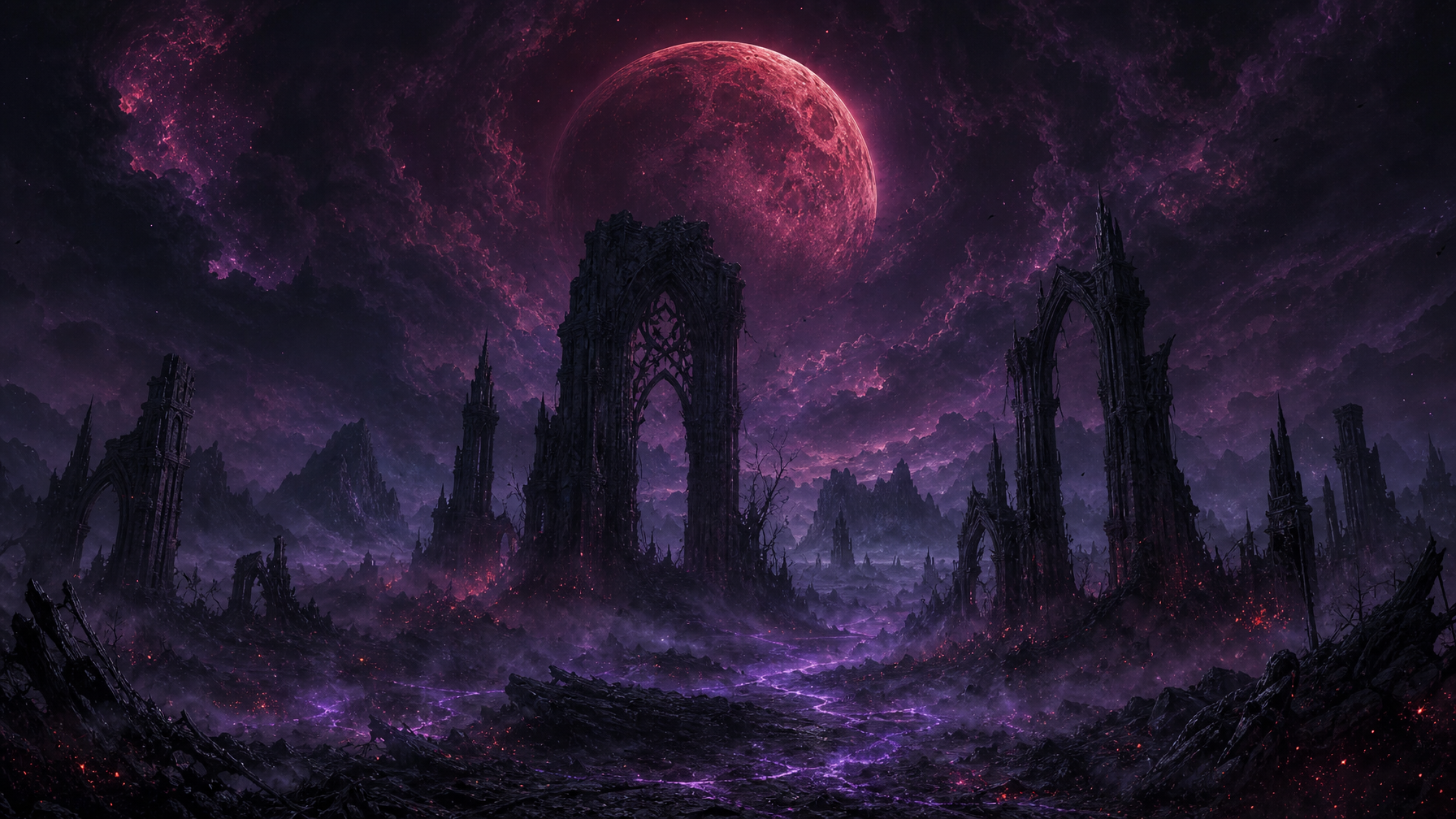
Readers who type books like Elden Ring into a search bar are rarely asking for a novelization of a greatsword. They want the feeling the game leaves behind: a kingdom already half-erased, gods that left receipts in stone, and a story that trusts you to notice the silence between monuments.
That itch sits at the center of modern dark fantasy books demand. It also shows up in adjacent searches for best dark fantasy series, fantasy horror series, and complete fantasy series. This guide sorts the vibe into concrete reading paths, names what actually transfers from game to page, and points you toward finished work you can hold without waiting on a patch.
What “Books Like Elden Ring” Actually Means
Community threads on r/Fantasy and later discussions about Elden Ring vibes return to the same cluster of titles for a reason. Players chase:
- Ruined grandeur, beauty that survives the collapse
- Lore as archaeology, history recovered in fragments, not lectures
- Hostile cosmology, power systems that feel indifferent to the hero
- Creature logic, monsters with ecology and theology, not costume racks
- Moral weather, choices that stain, even when they “work”
Lists that pair Miyazaki-adjacent games with prose, such as library and editorial roundups for Dark Souls / Bloodborne / Elden Ring readers and Soulsborne-feeling fantasy books, keep circling those five traits. If a recommendation only offers “dark and violent,” it misses the architecture.
Dark Fantasy vs Grimdark (For This Specific Itch)
Readers argue the line endlessly. A useful shorthand from long-running r/Fantasy threads:
- Dark fantasy often keeps wonder, mythic scale, and the possibility that meaning still exists inside the dread.
- Grimdark often emphasizes bleak moral systems, institutional rot, and low odds of clean victory.
- Horror-fantasy prioritizes fear, body wrongness, and the unspeakable pressing through the ordinary.
Elden Ring sits closer to mythic ruin than pure nihilism. The lands feel cursed and majestic at once. That is why many grimdark fantasy books satisfy only half the request, while atmospheric dark fantasy novels with deep world-systems hit harder. For a publisher-side take on how tone becomes a system rather than a mood board, see how we talk about craft and continuity on the Londyn Publishing blog.
How to Match a Soulsborne Mood on the Page
Use this checklist when you scan a blurb or first chapter:
| Signal on the page | Why it maps to Elden Ring |
|---|---|
| Opening in aftermath, not origin | The world is already broken; you arrive late |
| Conflicting histories | No single reliable codex |
| Landscape as antagonist | Travel costs something |
| Ritual, covenant, or blood law | Power has clauses |
| Creatures with patience | Threats that wait out civilizations |
| Heroes who pay for knowledge | Understanding is expensive |
If three or more lights are on, you are in the right aisle of dark fantasy book recommendations.
Reading Paths: Best Dark Fantasy Series for the Elden Ring Crowd
These are paths, not a ranked tournament. Start with the path that matches what you loved most in the game.
1. Path of Living Gods and Civilizational Scale
Why it scratches the itch: pantheons that act, empires that fail in layers, lore denser than any tutorial.
Readers repeatedly point to large multi-volume epics when they want “gods are alive and the map remembers every war.” That scale is the prose cousin of open-world discovery. Expect commitment. Expect uneven knowledge between characters. Expect history that refuses to stay buried.
Best for: players who read item descriptions for fun and want a complete fantasy series (or a long finished arc) they can live inside for months.
2. Path of Hostile Beauty and Environmental Storytelling
Why it scratches the itch: settings that feel authored by decay, with set pieces that teach lore without monologue.
This is the closest literary match to walking a ridge and realizing the “scenery” is a corpse of policy. Look for novels where architecture, weather, and silence carry plot weight. Grimdark Magazine’s dark fantasy starting points are useful orientation if you are new to the darker shelf and want tone benchmarks before you buy a stack.
Best for: readers who paused in-game just to look, then felt the dread arrive late.
3. Path of Monster Mythology and Body-Wrong Cosmology
Why it scratches the itch: creatures that rewrite what “human” means, not monsters as XP bags.
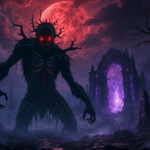
Bloodborne fans often drift here first. Seek fantasy horror series and dark fantasy creatures built on rules: infection logic, lunar binding, covenant hunger, hierarchical courts of the inhuman. Avoid “vampire with a tragic playlist” defaults unless the text invents a real system underneath the fangs.
Best for: readers who want the night to have an ecology.
4. Path of Broken Faith and True-Believer Antagonists
Why it scratches the itch: orders, churches, and oaths that outlive their original purpose.
Soulsborne stories love institutions that still perform the ritual after the meaning rots. On the page, that becomes priest-kings, sealed vaults, and antagonists who are literate in certainty. The conflict is rarely “good vs evil.” It is “which unfinished covenant still owns the sky.”
Best for: players who loved lore NPCs more than loot.
5. Path of the Finished Indie Trilogy (High Atmosphere, Full Arc)
Why it scratches the itch: a complete dark fantasy object you can binge without a multi-year wait, with deliberate myth density.
This is where many adult readers land after they bounce off unfinished epics. A finished indie trilogy can deliver ruin, creature rules, and multi-POV epistemology without demanding a decade of patience. That is the design brief behind The Moon’s Curse at Londyn Publishing.
Where The Moon’s Curse Fits the Map
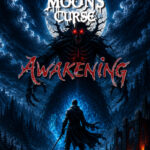
The Moon’s Curse trilogy (Awakening, Descent, Blood Moon) is dark fantasy with horror pressure, not a game tie-in and not grimdark cosplay. It is built for readers who want:
- A Veil that behaves like infrastructure and treaty, not wallpaper
- The Nythrall, moon-bound shadow entities with contract patience rather than sparkly immortal romance defaults
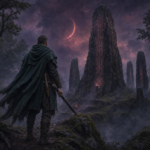
- Civilizational amnesia measured in centuries, so every revelation arrives through incomplete human knowledge
- Multi-POV craft where Evan Hartwell (emerald-eyed, cost-driven), Lira Thornfield (archive mind, teal-eyed fury at missing pages), Auren Draevan (field knowledge in a forest-green frame), and Father Kalen Draemir (certainty as literacy) never share a single brain
- A complete arc you can read end to end
If your favorite Elden Ring hours were the ones where the world felt older than the quest log, start with the series home page and the author background on the About page. For binding-magic and covenant-adjacent comps on our shelf of essays, read Ancient Covenants and Cosmic Dread.
Beyond the Veil, the promise is simple: dread with architecture.
A Practical Shortlist Framework (No Spoiler Bloat)
When you build your next TBR for best dark fantasy books, sort candidates into four bins:
- Ruin-first worlds, aftermath openings, dead golden ages
- Lore-as-puzzle, unreliable archives, competing chronicles
- Creature-system horror, rules you can infer, then fear
- Finished arcs, trilogies and closed series you can complete this season
You do not need every bin in one book. You need honesty about which bin you actually crave after the credits rolled. Community recommendation threads, from finished fantasy series asks to long-running best dark fantasy list culture, work better when you name the bin out loud.
Common Misfires (So You Waste Fewer Credits)
- “Dark” as aesthetic only. Black covers and mean banter are not cosmology.
- Grimdark violence without mythic residue. Bleakness without wonder rarely feels like the Lands Between.
- Lore dumps instead of lore scars. A glossary is not environmental storytelling.
- Open-ended sagas when you wanted closure. If your pain point is unfinished business, filter hard for best completed fantasy series energy.
- Creature bait-and-switch. If the blurb promises original myth and delivers stock undead, keep walking.
How to Choose Your Next Dark Fantasy Series in One Sitting
- Write one sentence: “I loved Elden Ring because ___.”
- Circle the matching path above.
- Prefer a finished or far-along series if patience is thin.
- Sample twenty pages for method of knowing (who holds secrets, who is blind, who lies with doctrine).
- If the prose never makes the world feel older than the protagonist, it will not scratch this itch.
That fifth test is the quiet killer. Soulsborne storytelling is ancestral pressure. Page-level dark fantasy that works the same way treats history as weather.
Conclusion
Books like Elden Ring are less a genre tag than a design brief: ruined beauty, patient monsters, gods with paperwork, and heroes who earn every scrap of understanding. The strongest dark fantasy series for that brief respect atmosphere as structure. They reward readers who assemble meaning the way players assemble item text.
If you want a complete indie path built on veil-law, moon-bound myth, and multi-POV honesty, enter The Moon’s Curse trilogy from Londyn Publishing. The Veil is already thinning. The question is whether you prefer your next ruined world on a screen, or in a finished set of books you can finish this month.
FAQ
What are the best dark fantasy books for Elden Ring fans?
Start with titles praised for ruin-first settings, fragmented lore, and cosmic or institutional dread. Match the path you loved in-game (living gods, environmental storytelling, monster ecology, or broken faith) instead of chasing “dark” as a single adjective. Finished trilogies help if you want a full arc now.
Is Elden Ring grimdark or dark fantasy?
It sits nearer mythic dark fantasy with horror pressure: majestic ruin, layered history, and indifferent higher powers. Grimdark elements appear, but pure bleak morality without wonder usually fails the “books like Elden Ring” test.
Why do people recommend Malazan and similar epics for this vibe?
Large-scale epics often feature active gods, deep time, and civilizations stacked on corpses of older systems. That density mirrors open-world lore archaeology, which is why those names dominate Elden Ring book threads.
What should I read if I want dark fantasy creatures with real rules?
Prioritize series where monsters have ecology, hierarchy, and binding logic. At Londyn Publishing, the Nythrall are written as moon-bound, contract-patient entities rather than generic vampires, which is the difference between costume and cosmology.
Where can I find a complete dark fantasy trilogy with deep lore?
Look for indie and traditional series marked complete, then sample for aftermath openings and uneven character knowledge. The Moon’s Curse (Awakening, Descent, Blood Moon) is one finished option aimed at readers who want cinematic dread and lore that pays debts across three books.