
Readers exploring modern fantasy fiction frequently debate the boundary between grimdark and dark fantasy. At first glance, both subgenres appear to share similar soil: morally grey protagonists, violent confrontations, visceral stakes, and sprawling worlds untouched by neat fairy-tale justice. Yet when you look beneath surface aesthetics, grimdark vs dark fantasy reveals a fundamental divide in philosophical tone, magical consequence, and narrative momentum.
Understanding this distinction is not an exercise in academic gatekeeping. For readers seeking immersive fiction, knowing how a story treats consequence, supernatural wonder, and the possibility of survival determines the kind of emotional journey they undertake. While grimdark strips away wonder to expose the cynical machinery of human self-interest, dark fantasy grounds its dread in ancient, supernatural reality.
1. Nihilism vs. Dread: The Underlying Philosophy
The defining characteristic of grimdark fiction is moral exhaustion. Pioneered by authors who pushed back against high fantasy idealism, grimdark operates on the premise that power corrupts, heroism is an illusion, and institutions exist solely to exploit the weak. The cruelty of a grimdark universe is systemic and human. When characters suffer, they suffer because greed, cowardice, and violent ambition govern the world.
Dark fantasy shifts this tension into the realm of supernatural dread. In dark fantasy, terrible things happen not merely because men are vicious, but because the cosmos itself operates under unforgiving, ancient laws. There is wonder in dark fantasy, even if that wonder is terrifying, cold, and shadowed. Characters may be tired, compromised, or desperate, but their struggle is not inherently pointless.
As explored in our analysis of dark fantasy worldbuilding and crafting atmospheric dread, the atmosphere in dark fantasy derives from encroaching darkness rather than cynical surrender. Dread requires anticipation. It requires the lingering conviction that something sacred, ancient, or vital is under siege.
2. The Architecture of Magic: Weapon vs. Inevitable Cost
In grimdark settings, magic is rare, decaying, or wielded primarily as an unfair tactical weapon. When sorcery appears, it functions like an artillery piece: unpredictable, destructive, and usually wielded by tyrants to subjugate rivals.
Dark fantasy treats magic as an environmental reality governed by strict, unyielding consequence. Rather than a tool of raw dominance, magical systems in atmospheric dark fantasy behave with the precision of an inescapable debt. Wards require maintenance, bloodlines carry inherited burdens, and borders hold only as long as someone is willing to pay the upkeep.
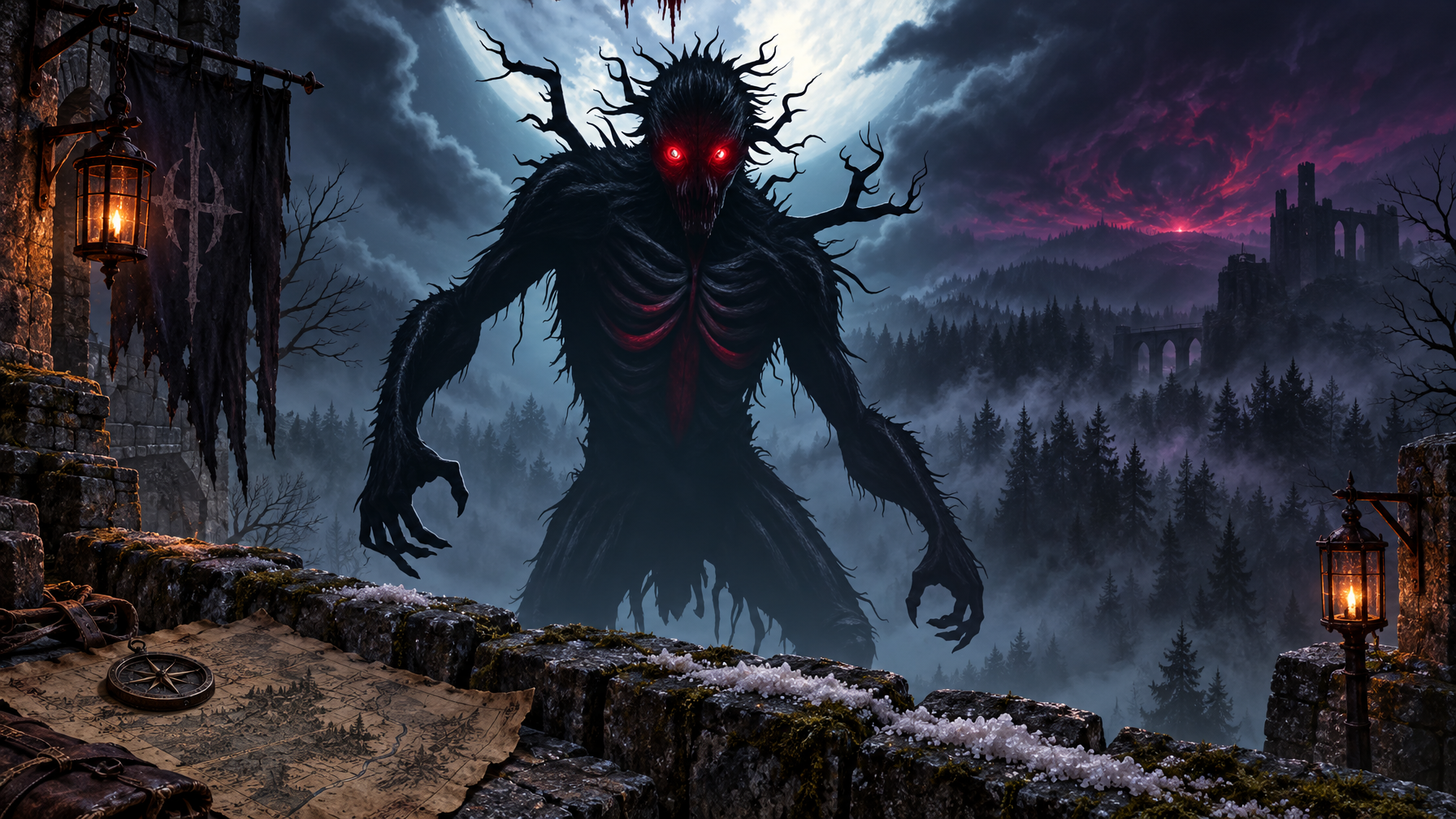
In The Moon’s Curse Trilogy, this dynamic forms the core of civilization’s defense. The magical boundary separating humanity from the moon-bound Nythrall does not function through divine protection. It operates under ancient contractual mechanics, a principle detailed in our study of Lira Thornfield and covenant law in dark fantasy. When garrisons desert or towns default on covenant obligations, the boundary ditch physically recedes. The horror stems not from human wickedness alone, but from the terrifying certainty that supernatural contracts collect their due without mercy.
3. Protagonists: The Cynic vs. The Boundary Keeper
The difference between these subgenres is equally evident in their central figures:
- The Grimdark Protagonist: Often a mercenary, broken soldier, or self-interested survivor who has abandoned high ideals to stay alive another season. Their victory is rarely about saving the world; it is about outliving their rivals or exacting petty revenge.
- The Dark Fantasy Protagonist: Often a guardian, scholar, or reluctant soldier stationed at the edge of an unraveling frontier. Evan Hartwell in The Moon’s Curse is not an unfeeling butcher; he is an exhausted boundary keeper measuring salt lines with rusted calipers, holding a quiet line against monstrous predators because abandonment guarantees total collapse.
Where grimdark asks how low a man will sink to survive, dark fantasy asks how long a person can hold the line when darkness is inevitable.
4. The Presence of Hope
Perhaps the clearest distinction lies in how each subgenre handles hope. In grimdark, hope is frequently revealed to be a trap. The revolution replaces one tyrant with another, and sacrifice rarely alters the trajectory of a rotting empire.
Dark fantasy demands hope, precisely because without hope, dread loses its teeth. If darkness has already won, tension evaporates. The power of a dark fantasy narrative comes from the stubborn flame kept alive behind stone walls, the forgotten lore unsealed in candlelit archives, and the belief that holding the line matters even beneath a rising Blood Moon.
Step Beyond the Veil
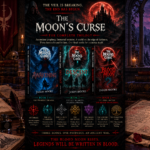
Explore an immersive dark fantasy universe where ancient covenants, atmospheric dread, and complete trilogy continuity converge. The Moon’s Curse Trilogy (Awakening, Descent, and Blood Moon) is available now in hardcover, paperback, and digital editions. Step Beyond the Veil at londynpublishing.com or discover the full saga in our books collection.