
Description
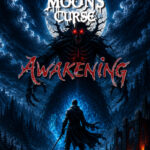
Indie dark fantasy fails when every viewpoint sounds like the same polished narrator. This is the craft system I use so four minds in The Moon's Curse stay musically distinct.
Four Instruments, One Trilogy: How I Keep POV Voice Distinct Without a Style Guide
I already keep a knowledge-debt ledger so Evan Hartwell, Lira Thornfield, Auren Draevan, and Father Kalen Draemir do not share a brain. That sheet answers what they are allowed to know. It does not answer how the sentence feels in the mouth.
A finished trilogy can survive a missed fact if the next chapter pays it. It cannot survive four coats on one authorial voice. Readers hear the swap even when they cannot name it.
This is the other half of the behind-the-scenes work at Londyn Publishing: each major viewpoint gets an instrument, not a vibe adjective.
Voice is not personality. It is a sensing organ.
Personality is what a character wants. Voice is which sense they trust first when the room changes.
Jane Friedman’s breakdown of voice splits the word into character, narrator, and author. Close third-person dark fantasy collapses those layers on purpose. If I do not pick a sensing organ per POV, my author layer floods the page. Every chapter starts smelling like the same candle.
I assign one primary organ and one forbidden luxury.
- Evan Hartwell senses cost first. Muscle, weight, the bill attached to the next step. He does not get leisurely metaphor. If a clause of the Veil thins, he feels it as a debt coming due, not as poetry.
- Lira Thornfield senses gap first. Missing ink, a date that will not line up, a page that should exist. She does not get cinematic weather unless the weather is evidence.
- Auren Draevan senses lean first. Slope, hush, the way a threshold community already shifted its doors. He does not get archive language. If he names a node, he names it the way a body names cold.
- Father Kalen Draemir senses category first. The file this moment belongs in. He does not get honest doubt on the page. Uncertainty would be a costume on him.
Those rules are mean on purpose. Mean rules keep Awakening, Descent, and Blood Moon from turning into four essays in the same suit.
The swap test
After a draft pass, I take one paragraph and change only the proper names. If it still reads clean, the instrument failed.
A Lira paragraph that still works as Kalen is usually a lecture. An Auren paragraph that still works as Evan is usually a fight scene with the land scraped off. An Evan paragraph that still works as anyone is usually me, the indie publisher, explaining the Nythrall because I am proud of the lore.
Pride is not a sensing organ.
Writers who keep ensemble casts readable make the same hard choice: style has to do labor, not decoration. The Winged Pen’s multi-POV notes put it in workshop terms: change the how of the sentence, not only the who of the scene heading.
What I refuse to “pretty up”
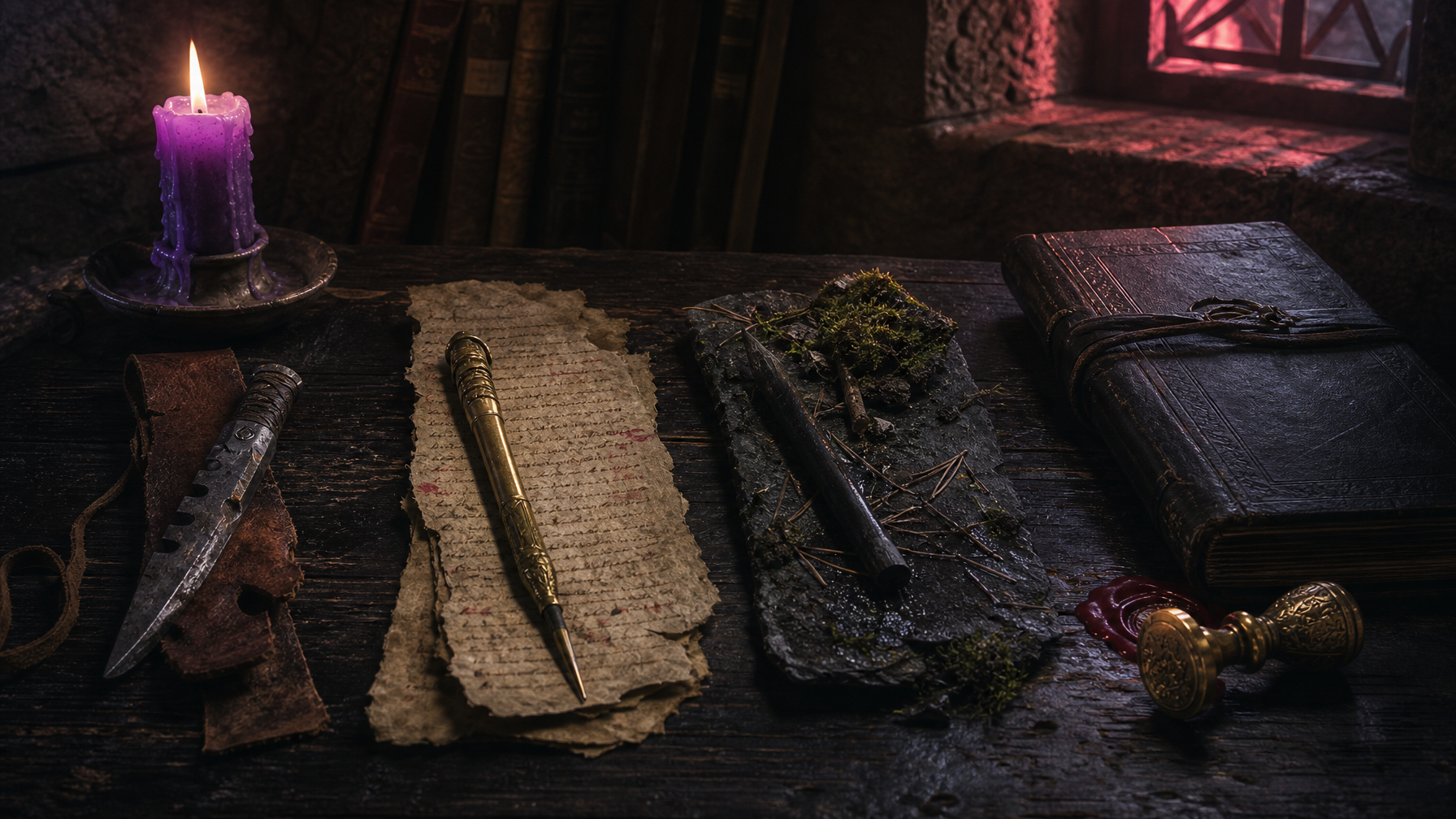
Dark fantasy invites purple weather. Boutique branding invites it twice. Violet light and crimson-rose dread belong on a cover and a storefront. They do not belong equally in every interior paragraph.
When I revise, I cut any line that all four people could notice in the same words. “The Veil felt wrong” is author weather. Evan pays for the wrongness. Lira files it. Auren walks it. Kalen reclassifies it. If the verb does not change, the instrument is decorative.
The moon-bound threat only stays strange if human language stays uneven. The Nythrall do not need four humans to describe them with the same elegance. They need four incomplete reports.
Why this belongs to indie process, not a house style bible
I do not keep a 40-page voice manual. I keep a one-page instrument card above the desk and I run the swap test on any chapter that felt too easy to write.
Easy chapters are usually me. Hard chapters are usually them.
That is the unglamorous half of building Londyn Publishing: not the logo, not the complete-trilogy promise, the daily refusal to let four minds collapse into one marketable tone. The knowledge-debt ledger keeps secrets honest. The instrument card keeps the music honest.
If you write multi-POV, pick the organ before you polish the clause. Beyond the Veil, atmosphere is cheap. Distinct attention is the scarce resource.
The complete Moon’s Curse trilogy is on the shelf at londynpublishing.com. Start with whoever you trust to walk into a thinning room first.
Conclusion
A trilogy is one object. The viewpoints inside it should not be. Give each mind an instrument, then fail the swap test on purpose until the sentence will only play in one hand.