
The last pass on a finished trilogy is not a spell-check. It is a clerk who does not work for you.
When Awakening, Descent, and Blood Moon were already written, I still had to sit with the printed proofs as if I had never invented the Veil. That is different from hunting typos. Typos are accidents. The hostile clerk pass hunts sentences that are doing public relations for the plot.
Londyn Publishing is a one-desk house. There is no in-house continuity editor waiting in another office. If a paragraph explains too cleanly, no one else will catch it before a reader does. So I read like a clerk who is tired, unpaid, and unimpressed.
What a hostile clerk is looking for
A clerk does not care that you meant the scene to be moving. A clerk cares whether the page is doing work it has not earned.
I mark three kinds of sentences:
A line that tells the reader how to feel about Evan Hartwell before the scene has made them feel it. If he is standing in a thinning and the prose is already calling him a warrior, the clerk cuts the title and leaves the weather.
A line that lets Lira Thornfield speak like a catalog that has already been indexed. If the archive still has a gap, she cannot close it in a tidy clause for the audience. She files what she has. The rest stays missing.
A line that lets Father Kalen Draemir sound like a press release. Kalen does not summarize doctrine for newcomers. If a paragraph is helping, it is lying.
Auren Draevan is the easiest to spoil in this pass. Rangers in drafts love to lecture the land. On the page he walks. If he starts teaching Rimward etiquette in a speech, the clerk sends the speech back to the margin.
Why this is an indie problem
Traditional houses can afford a second brain. Indie authors often proof their own work while still in love with it. Love is a terrible copy desk. It will protect a pretty sentence that is doing PR.
Finishing the trilogy before launch made this worse, not better. There would be no year of reader mail to tell me Book 2 had already explained a node that Book 1 was still treating as rumor. The moon-bound Nythrall cannot change their rules between printings because a later chapter needed a cleaner villain. The clerk pass happens while all three books are still in the house.
Beyond the Veil extras can hold the unused pages. The novels cannot. If a paragraph is there to reassure me that the mythology is consistent, it belongs in the desk file, not in the reader's hands.
How the pass actually runs
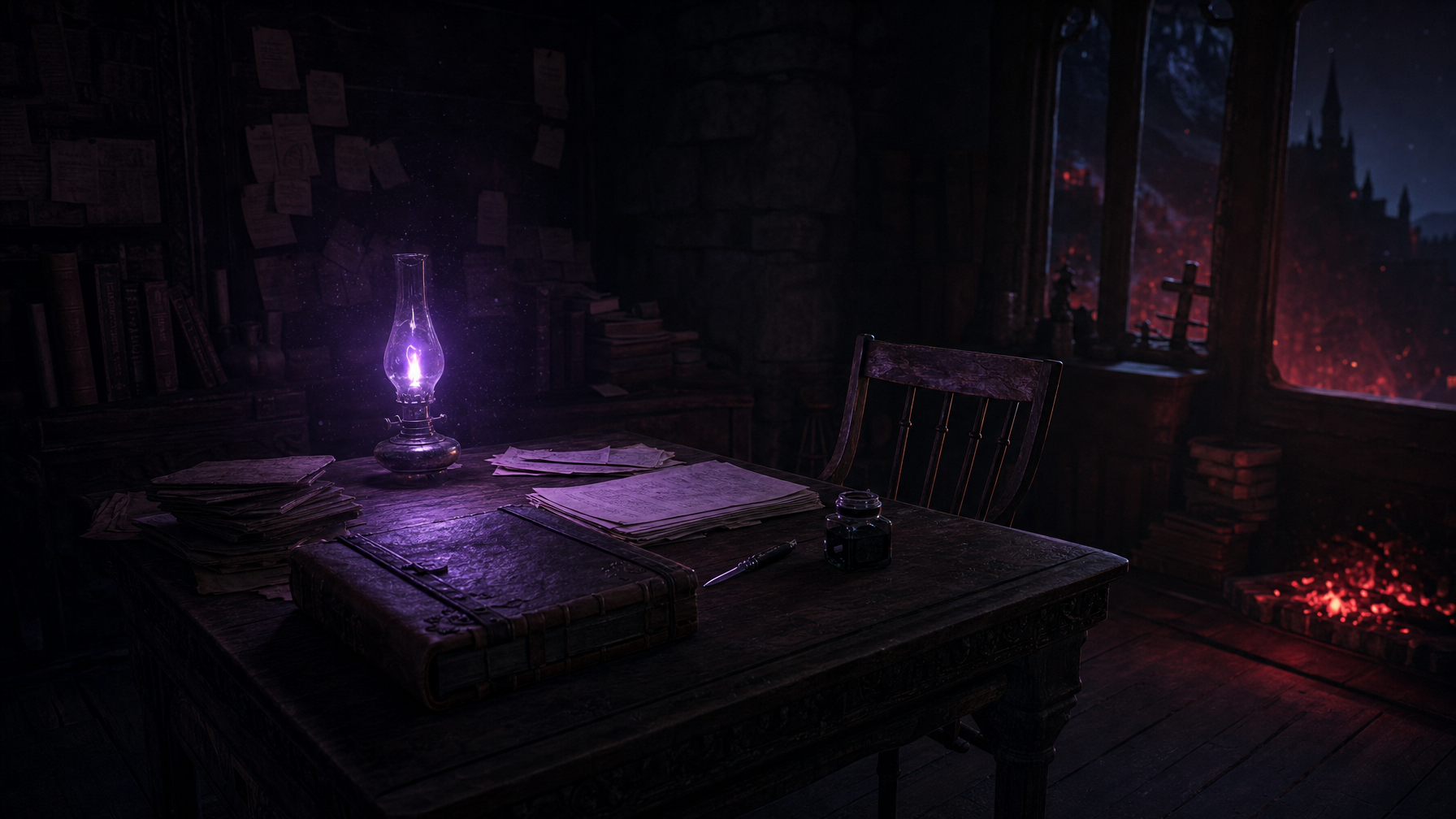
I print. Screens lie. A lamp and a paper stack make the sentence sit still.
I read out of order. A chapter from Blood Moon, then one from Awakening. Sequence is a kindness the clerk does not offer. If a fact only works because you just read the previous chapter, it is not a fact. It is glue.
I listen for helping. Any sentence that begins by protecting the author, I cut. The Veil does not need a tour guide. The Nythrall do not need a footnote that they are not traditional vampires. The books already know that. If the page is still arguing with folklore, the clerk has found a leak.
Then I typeset. Not before. Typesetting a paragraph you have not yet interrogated is how a pretty layout hides a soft explanation.
What survives
What survives is smaller. Evan Hartwell feels the thinning. Lira Thornfield leaves the catalog gap on the page. Auren Draevan keeps walking where the map goes quiet. Father Kalen Draemir keeps his categories ugly.
That is the craft I can actually teach other indie authors without pretending I have a department. Hire a clerk in your own head who does not like you. Let that person mark the helping. Then print.
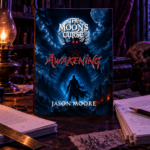
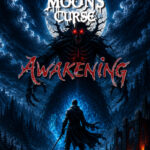
The complete trilogy is on the shelf. Start with The Moon's Curse: Awakening at londynpublishing.com.