
Description
Readers searching for a complete dark fantasy series want a finished covenant, not a multi-year cliff. Here is why that filter exists, what to check before you start Book One, and where a finished indie trilogy fits.
Why Readers Hunt Complete Dark Fantasy Series (and Skip the Multi-Year Cliff)
#TLDR
If you type complete dark fantasy series into a search bar, you are protecting your time. You want lore that cannot be rewritten in a later volume, creatures that keep their rules, and an ending that already exists. The Mom Edit put it plainly in 2026: readers are tired of waiting years for the next book. r/Fantasy still runs threads asking for finished series only. This is not snobbery. It is how dark fantasy readers keep a month of short evenings from becoming a stall.
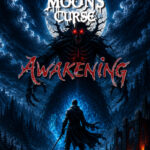
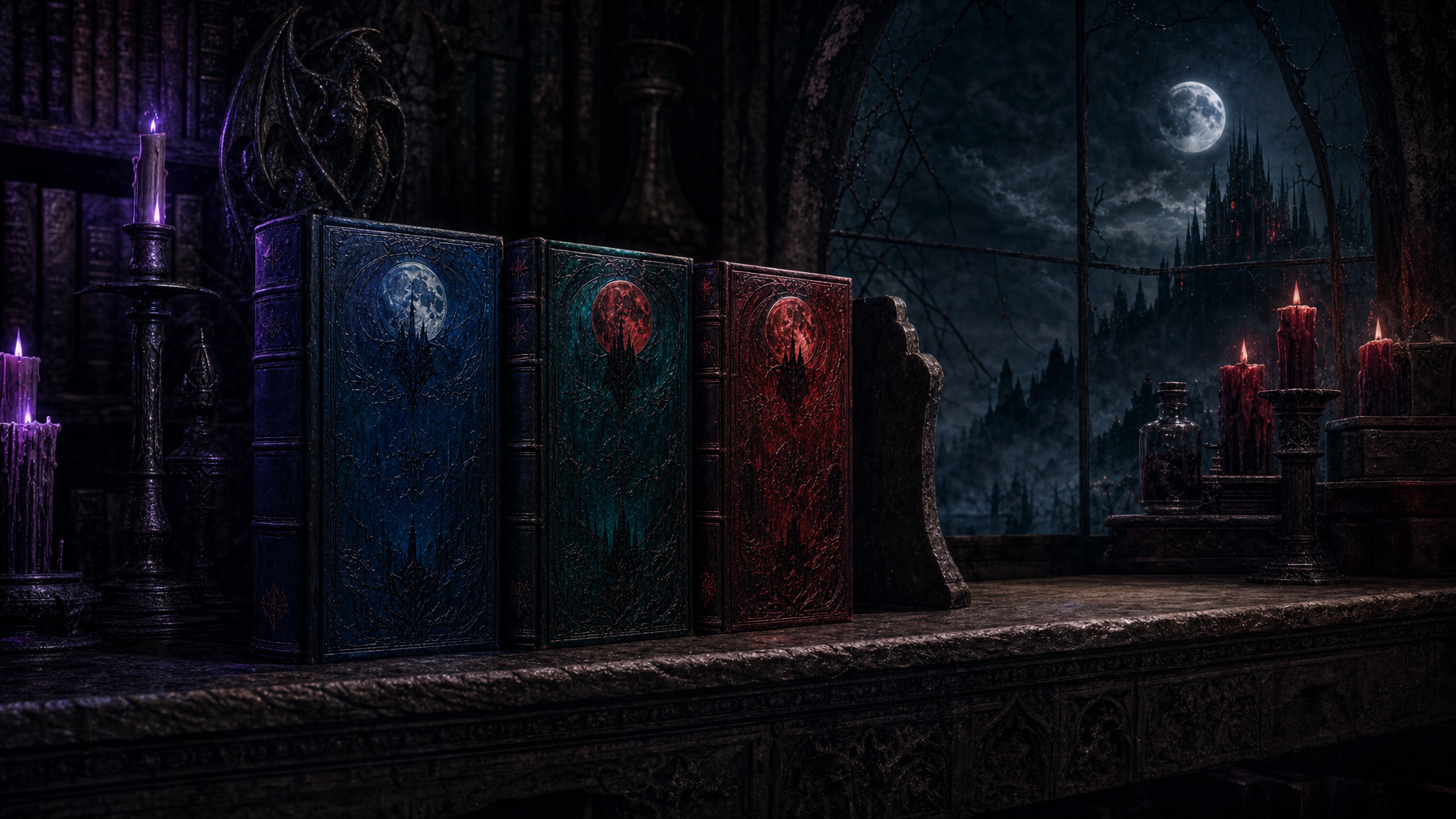
Londyn Publishing built The Moon's Curse Trilogy that way. Awakening, Descent, and Blood Moon sit on the same shelf. The war is done before you open the door.
What people actually ask when they search
The questions cluster around a few real fears:
- Is this series finished, or am I walking into a multi-year cliff?
- Which best dark fantasy series I can binge without waiting on a calendar?
- Do indie dark fantasy books stay consistent if all three volumes print at once?
- How do I tell a complete mythology from a teaser?
Those questions show up in comment sections and rec threads because the genre punishes unfinished architecture. A thinning Veil cannot wait five years for a sequel to decide whether it was weather or war. Moon-bound creatures cannot change their hunger between printings.
Why complete beats ongoing for this genre
Epic fantasy can survive a wait. Dark fantasy often cannot.
Dread is a closed system. If Book One files a clause, Book Three has to collect it. If the author has not written the collection yet, the clause is a promise, not a fact. Readers have learned that the hard way. Goodreads threads on cliffhangers still argue the same point: continuing threads are fine; leaving a character on a ledge is not.
A complete dark fantasy series does three jobs an ongoing cycle cannot:
- It lets the last book interrogate the first. Continuity is not a hope. It is already in the house.
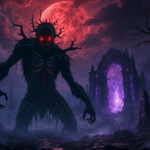
- It lets creatures stay legal. The Nythrall collect oaths. They do not get rewritten into thirst because a later outline needed a cleaner villain.
- It lets you binge without a stall. The map, the sermon, and the due date already exist.
That is why rec lists keep splitting between “most anticipated 2026 releases” and “give me something I can finish this month.” Grimdark Magazine covers the first hunger. Searchers typing complete dark fantasy series are feeding the second.
How to shop a finished shelf
Before you buy Book One, check four tells:
The last volume has a date that is not “TBA.” A cover for Book Three that already exists is stronger than a vibe.
The magic leaves a mark. If the rules reset at dawn, you are shopping atmosphere, not covenant.
The creatures have a job besides biting. Moon-bound creditors, institutional monsters, things that rewrite a priest’s vocabulary. If fangs are the whole identity, the series can stall on folklore.
The author talks like the war is over. Indie houses that print all three before launch are not hiding a cliff. They are refusing one.
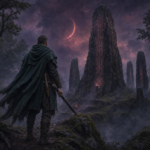
The Moon's Curse was written as one covenant. Evan Hartwell walks the thinning. Lira Thornfield files the catalog gap. Auren Draevan reads the Rimward lean. Father Kalen Draemir names a Blood Moon due date as if it were a sermon. Beyond the Veil extras can hold unused pages. The novels cannot stall for a later draft.
Where a finished indie trilogy sits
Big-house cycles will keep asking you to wait. That is their model. Indie dark fantasy authors can print the whole ledger first.
If you want a complete dark fantasy series this week, start with The Moon's Curse: Awakening at londynpublishing.com. Descent and Blood Moon are already on the shelf. No multi-year cliff. The moon-bound Nythrall keep their rules through the last page.
The catalog can stay open. The war does not have to.