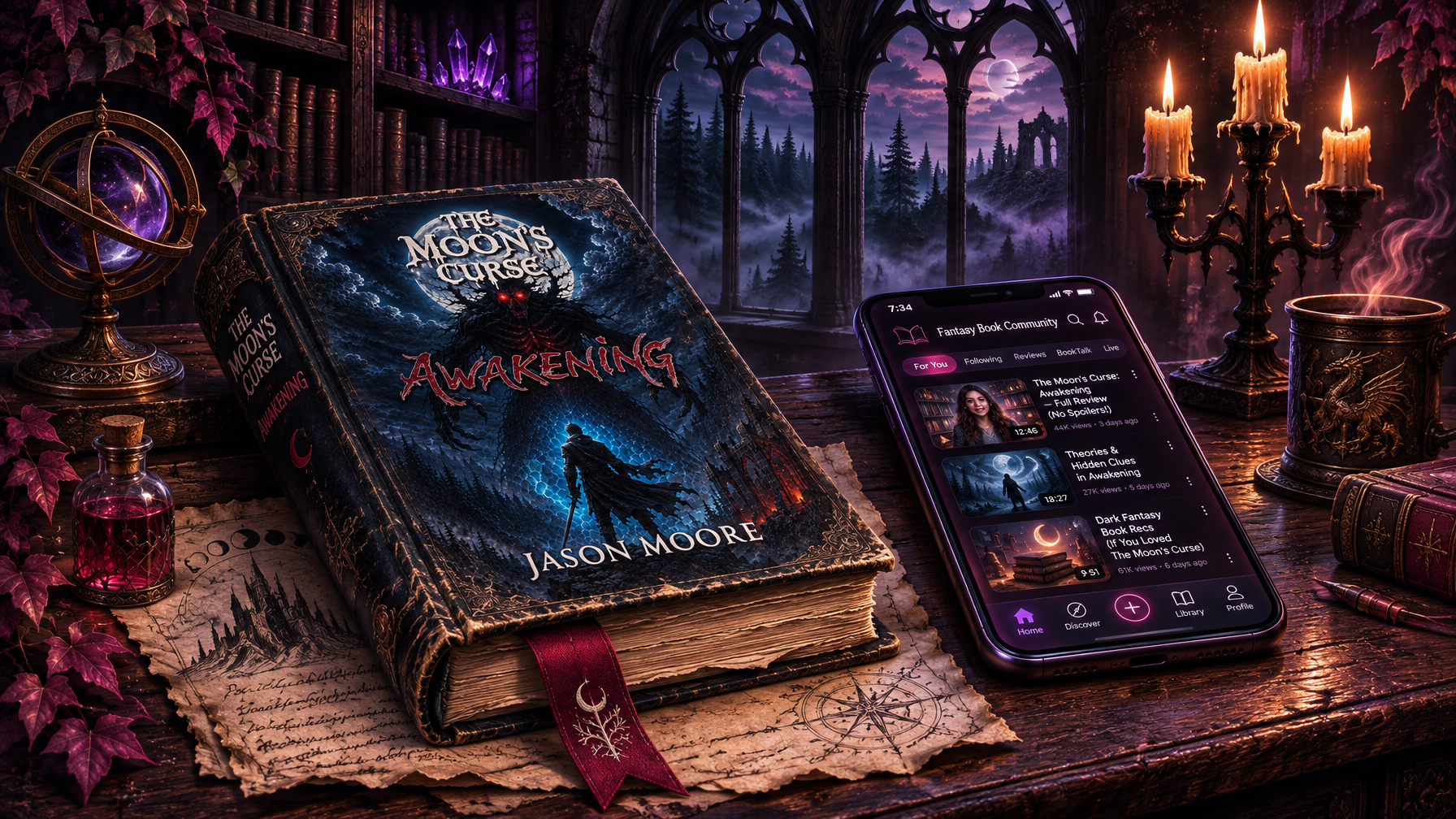

The short-form video landscape for speculative fiction has undergone a quiet but unmistakable shift. Where feeds once overflowed with fifteen-second audio clips paired with candlelit cover reveals and dagger-to-throat tropes, serious fantasy enthusiasts are demanding greater substance. Exploring grimdark BookTok trends reveals that contemporary readers are moving away from surface aesthetic loops and toward plot-first narratives grounded in institutional consequence, authentic stakes, and complete story architecture.
For years, algorithmic recommendation engines rewarded visual shorthand: aesthetic montages, brooding background scores, and hyperbolic micro-tropes designed to hook casual scrollers. Yet while high-contrast mood boards create immediate visual appeal, they rarely satisfy readers seeking the psychological weight and intricate moral dilemmas that define enduring dark fantasy. Today, BookTok creators and community reviewers are actively searching for stories where characters navigate real danger, systems operate with unforgiving logic, and promises made in chapter one carry permanent costs.
1. Beyond the Aesthetic Loop: The Demand for Structural Consequence
The primary critique emerging across fantasy BookTok discussions centers on narrative friction. When dark elements function merely as atmospheric wallpaper rather than structural drivers, stories fall flat. True grimdark and dark fantasy require worlds where danger cannot be waved away by sudden miraculous revelations or convenient magical loopholes.
Readers are celebrating novels where every action carries an enforceable balance sheet:
- Institutional Friction: Rather than fighting generic shadow forces, compelling narratives examine the systemic institutions holding fractured borders together. Decrepit municipal councils, fading parish registries, and forgotten boundary covenants create believable tension that grounds supernatural horror.
- Irrevocable Loss: In a consequence-driven setting, wounds do not heal miraculously between chapters, and broken treaties demand an exact accounting. When a character signs away their rights or fails to garrison a perimeter, the fallout affects entire populations.
- Environmental Resistance: Weather, distance, logistics, and resource scarcity actively push back against the protagonists. A long journey across unmapped scrubland extracts a physical toll that tests loyalties and forces hard compromises.
This appetite for systemic depth is evident in the reception of novels like Christopher Buehlman’s Between Two Fires and Jay Kristoff’s Empire of the Vampire, which find fervent fan followings precisely because their settings feel visceral, harsh, and uncompromising.
2. Contractual Magic and Moral Weight
Another major trend gaining traction in book discussions is the shift toward contractual, rule-bound supernatural conflict. As explored in our deep dive into contractual magic systems in dark fantasy, magic becomes far more terrifying when it behaves like property law backed by physical anchors rather than spontaneous bursts of raw power.
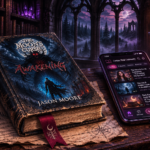
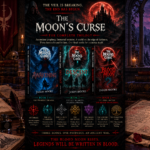
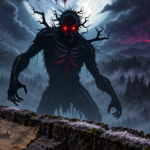
In The Moon’s Curse Trilogy by Jason Moore (encompassing Awakening, Descent, and Blood Moon), the membrane separating humanity from the predatory, moon-bound Nythrall is an enforceable sovereign agreement. When frontier outposts default on their boundary commitments, the protection recedes furlongs into domestic scrub, leaving outlying settlements exposed. Protagonists like warden Evan Hartwell and covenant scholar Lira Thornfield do not combat abstract malevolence; they reckon with an ancient debt where missing a single reading on a boundary compass means the line has already fallen.
When magic demands measurable collateral, moral ambiguity naturally follows. Characters must decide whether to honor unjust treaties or risk complete annihilation, creating the intricate character dynamics that modern dark fantasy readers consistently praise.
3. The Appeal of Complete, Bingeable Series
Hiatus fatigue is real across the reading community. One of the most prominent themes among dark fantasy reviewers is the relief of finding finished series. Readers are hesitant to invest emotional energy into sprawling multi-book sagas only to wait years between installments, risking tonal drift or outright abandonment.
As analyzed in our study of epic fantasy trilogies and completed sagas, finished story arcs offer airtight foreshadowing, unbroken narrative momentum, and deliberate thematic payoffs that serial publishing models struggle to match. Reviewers are highlighting trilogies where all volumes exist in matching physical editions, allowing readers to experience the complete arc from initial warning to final reckoning without disruption.
4. Plot-First Storytelling Wins the Long Game
Aesthetic videos will always have a place in book promotion, capturing atmospheric moods and introducing evocative visual palettes. But the readers driving sustained word-of-mouth recommendations are looking past the velvet ribbons and dagger props. They want stories with teeth, novels that challenge comfortable assumptions, and narratives where survival must be earned step by unforgiving step.
As book culture continues to evolve, the titles that endure will be those that honor the reader’s intelligence through layered worldbuilding, rigorous continuity, and an uncompromising commitment to consequence Beyond the Veil.
Step Beyond the Veil
Discover a finished, consequence-driven dark fantasy trilogy built for readers who appreciate rich worldbuilding, original creature mythologies, and unbroken series continuity. Explore The Moon’s Curse Trilogy (Awakening, Descent, and Blood Moon) in collector hardcover, paperback, and eBook editions at londynpublishing.com or view the full catalog in our books archive.