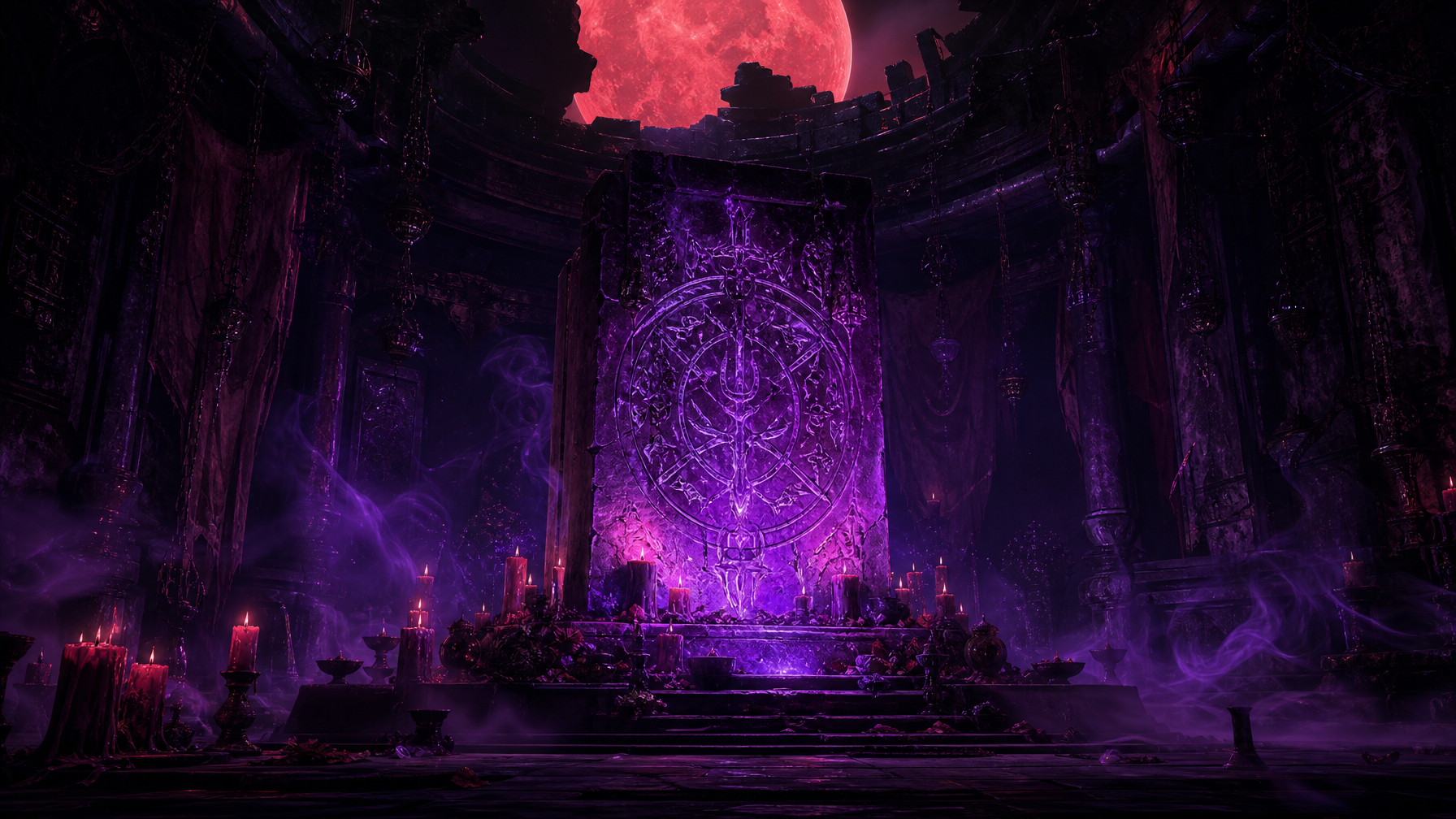

Blood Magic, Ancient Covenants, and Forbidden Power: A Dark Fantasy Reading Guide
There is a particular kind of dark fantasy that feels different from the rest. Not the kind where magic is a system of equations to be mastered, or where power arrives as a reward for heroism. The kind where magic is a debt — old, silent, and patient. Where the most dangerous forces in the world are not monsters who hunt, but contracts that wait.
If you have ever been drawn to dark fantasy built around ritual magic, blood pacts, ancient covenants, and the slow reckoning of forbidden power, this guide is for you. These are the stories where the rules of the world were written centuries before the characters arrived — and the characters are only beginning to understand what they agreed to.
Why Ritual Magic and Ancient Covenants Captivate Dark Fantasy Readers
Ritual magic has always carried a weight that flashier magic systems struggle to match. When a character draws a sigil in blood or speaks an oath into the dark, there is no undo. The world changes. Something hears.
What makes covenant-based fantasy so compelling is the architecture of consequence. The terms were negotiated. The signatures were given. Whatever horror is now unfolding was, in some sense, agreed upon — even if no one alive today remembers the agreement. That combination of inevitability and mystery is the engine of the best dark fantasy.
Readers searching for dark fantasy with ritual magic, blood moon mythology, forbidden oaths, and ancient power structures are looking for a particular emotional experience: the feeling that the world is older than anyone admits, and that the reckoning has already been set in motion.
The Moon's Curse Trilogy — Where the Covenant Is the Story
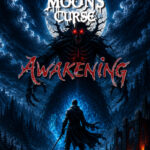
The Moon's Curse Trilogy by Jason Moore (published by Londyn Publishing) is built entirely around this premise.
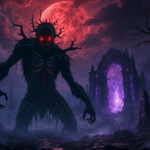
The central mythology of the series is the Veil Covenant — a centuries-old agreement between humanity and the Nythrall, a race of moon-bound shadow creatures unlike anything in conventional vampire mythology. The Veil separates the two worlds. The Covenant governs the terms of that separation. And the Blood Moon is not a threat arriving from outside the system. It is a scheduled event written into the agreement itself — the moment when all outstanding debts come due at once.
What makes the series stand out in the dark fantasy genre is how seriously it takes the architecture of its own mythology. The Covenant has twelve sigils. The last four were added after the first Covenant breach, by architects whose names were deliberately erased from the record. The Nythrall were not imprisoned by the agreement. They signed it. That distinction carries enormous narrative weight across all three books: Awakening, Descent, and Blood Moon.
The Veil as ritual construct. In most dark fantasy, barriers between worlds are physical — walls, seals, wards. In The Moon's Curse, the Veil is contractual. It holds because the terms have not yet been fully violated. When Evan Hartwell, the series' warrior protagonist, first encounters a Veil fracture node, he does not see a crack in a wall. He sees a clause approaching expiration. The distinction is everything.
Blood magic as consequence, not power. The Nythrall do not wield blood magic in the way fantasy often frames it — as a weapon or a source of personal strength. Blood in this world is transactional. It is what the Covenant costs. Lira Thornfield, the series' scholar, spends much of Awakening and Descent mapping the Covenant's language, trying to understand what was exchanged and by whom. Her discoveries reframe everything the reader thought they understood about the world.
Forbidden knowledge as the true antagonist. Father Kalen Draemir, the series' villain, is not evil in a conventional sense. He studied the Covenant longer than anyone alive and arrived at a conclusion: that the Veil should not be renewed. His theology is the terrifying part — not because he is wrong about the mechanics, but because he may be right about the implications. That moral ambiguity is the hallmark of dark fantasy built around ancient covenants rather than simple good-versus-evil conflict.
The entire trilogy is complete, all three books are available now, and the ending was written before the first book reached a reader. For readers who want dark fantasy with genuine lore architecture and no unresolved threads, The Moon's Curse is a series built for you.
What to Look For in Ritual Magic and Covenant Dark Fantasy
If the Veil Covenant mythology resonates, here is what to look for when seeking similar reads:
1. Magic systems with inherent cost. The best ritual magic in dark fantasy is never free. Whether the cost is blood, memory, lifespan, or something more abstract — power that demands payment creates a fundamentally different kind of tension than power that is simply earned.
2. Ancient agreements that predate the cast. Stories where the rules were set before the protagonists were born tend to produce richer world-building. The characters are not discovering the rules; they are discovering how deeply the rules already govern their lives.
3. Creatures bound by law, not instinct. The most compelling supernatural entities in dark fantasy are not driven purely by hunger or malice. They operate within constraints — and understanding those constraints is often the key to surviving them. The Nythrall in The Moon's Curse are moon-bound not because they were cursed, but because they agreed to be. That is a fundamentally different kind of horror.
4. Scholars and warriors in the same story. Ritual magic rarely works best with a single perspective. The best covenant fantasy pairs someone who can read the old language with someone who has to act on what they learn — under pressure, in the dark, with incomplete information. Lira Thornfield and Evan Hartwell embody this dynamic across the full trilogy.
5. Endings that were always coming. The best dark fantasy built around ancient power doesn't manufacture a climax. It reveals one. The Blood Moon in The Moon's Curse does not arrive as a surprise. It was always going to arrive. The question was never whether — only whether anyone would understand what it meant in time.
Beyond the Veil: Entering the World
For readers ready to step into a dark fantasy universe built on ancient covenants, forbidden knowledge, and the slow unraveling of a centuries-old agreement, the trilogy is available in paperback, hardcover, and eBook.
Begin where the fractures first appear: The Moon's Curse: Awakening.
The Veil is not a wall. It is a contract. And it is expiring.
Explore the full trilogy and discover what lies beyond at londynpublishing.com.