
Description
Readers hunting dark fantasy creatures want more than fangs. This guide explains why moon-bound, debt-collecting monsters outlast vampire tropes, and where The Nythrall sit in that lineage.
Dark Fantasy Creatures That Collect Debts: Why Moon-Bound Monsters Hit Harder Than Vampire Tropes
#TLDR
If you search for dark fantasy creatures, you are rarely looking for a cape. You want a being that changes the weather of a room. The strongest current monsters in dark fantasy books work like unpaid invoices: they remember a clause, they wait on a cycle, and they do not need to drink to ruin a village. Writer's Digest has argued for years that vampire and dragon cliché is a problem of execution. Readers now go further. They want original dark fantasy monsters whose hunger is legal, lunar, or institutional.
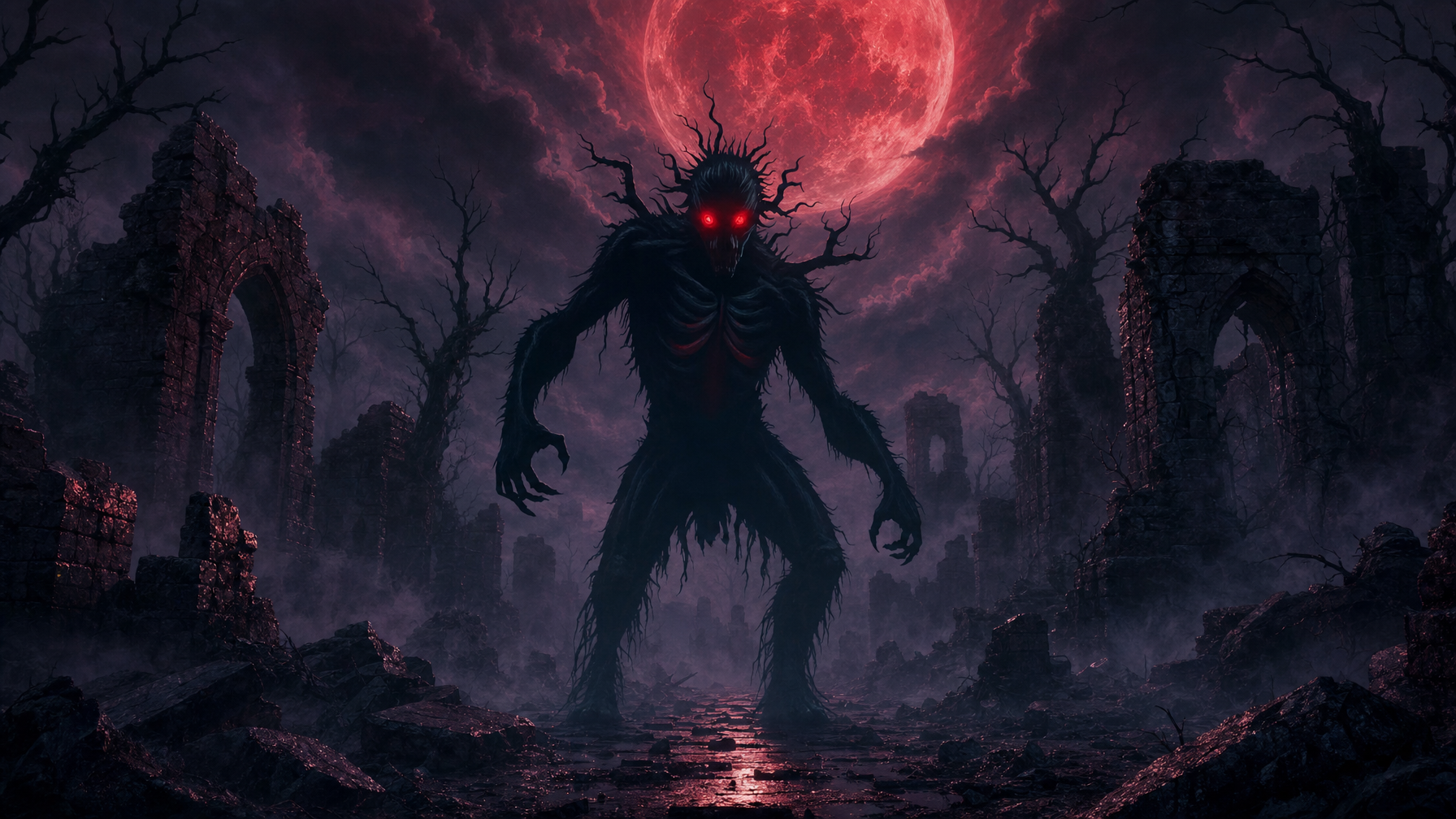
Londyn Publishing built The Nythrall that way. They are moon-bound. They are not traditional vampires. In The Moon's Curse Trilogy, they collect what was promised.
What readers actually mean by dark fantasy creatures
People Also Ask clusters around a few real questions:
- What counts as a dark fantasy monster instead of a horror extra?
- Why do vampire clones feel thin in 2026 feeds?
- Are original creatures worth more than familiar folklore?
- Which best dark fantasy series give you a complete mythology instead of a teaser?
- How do indie dark fantasy authors keep a monster consistent across three books?
Search volume backs the hunger. Keyword research for this piece showed dark fantasy creatures at roughly 320 average monthly searches in the United States, with dark fantasy monsters near 210, both low competition. Readers type those phrases because they want a catalog with teeth, not a mood board.
A dark fantasy creature earns the name when it does three jobs at once:
- It threatens a body.
- It threatens a belief.
- It threatens a record: a map, a sermon, a ledger.
If it only bites, it is a prop. If it also rewrites what a priest is allowed to say, it belongs in the genre.
Why vampire tropes keep collapsing on the page
Vampire folklore still works when a writer treats it as a local problem. It fails when every shadow in the forest drinks the same way. Writer's Digest puts the issue on execution: archetypes go stale when the story repeats the same rules without a new cost.
Tabletop and Reddit threads make the same point from the other side. In a r/DMAcademy discussion on dark fantasy monsters, the advice is blunt: a horror creature that steps into a fair fight stops being horror. Players (and readers) expect to kill what they can see. Dread lives in the thing that files a claim and leaves.
That is why so many dark fantasy books like The Witcher conversations slide toward contracts, bargains, and cursed geography instead of neck wounds. The monster is the invoice. The hero is the clerk who cannot close the book.
Moon-bound vs blood-bound
Blood-bound creatures need a body tonight. Moon-bound creatures need a calendar.
A lunar tether does different narrative work:
- Patience. The Nythrall can wait for a Blood Moon the way a creditor waits for a due date. Father Kalen Draemir treats that date as doctrine. Evan Hartwell feels it as weather along a thinning Veil.
- Scale. A thirst monster ruins a night. A cycle monster ruins a generation of Keepers who logged the wrong category.
- Language. Church of Lux mouths still reach for animal words. Field walkers like Auren Draevan do not. Mixing those registers in one speaker is a lore error, not flavor.
Moon-bound also keeps the creature from collapsing into romance-vampire furniture. There is no sparkle, no tragic thirst as personality. There is a pulse in the chest and a clause that was ratified when the Veil was still a living contract.
Original dark fantasy monsters: what they must refuse
If you are building or shopping for original dark fantasy mythical creatures, refuse three easy defaults:
Fangs as the whole identity. Teeth are a tool. They are not a cosmology.
A bestiary paragraph that the hero recites in chapter two. Lived habit beats lecture. Rimward villages unbar doors after specific knocks. They do not workshop monster taxonomy over stew.
A creature you could swap into another series without rewriting the land. The Nythrall belong to Veil nodes, covenant stones, and a seventh anchor that will not stay found. Pull them into a generic gothic castle and they become costume.
Completed-series roundups keep circling the same reader complaint: unfinished mythologies. A creature bible that stops at book one is a cliff, not a world.
How The Nythrall work on the page
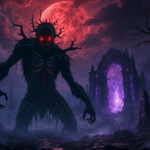
In Awakening, Descent, and Blood Moon, The Nythrall arrive as shadow signatories. They collect oaths. They do not need to be hungry in the folklore sense. Evan Hartwell meets them as a thinning, not a jump scare. Lira Thornfield meets them as a gap in an archive. Auren Draevan walks the lean where the map goes quiet. Father Kalen Draemir refuses the category, which is its own kind of violence.
That split is the point of indie dark fantasy authors who finish a trilogy before launch. The monster has to survive three viewpoints without becoming a mascot. Beyond the Veil extras can hold unused pages. The novels should not.
If you want the full creature mythology in story form, start at londynpublishing.com. The war is already on the shelf.
A short field test for any dark fantasy monster
Use this when you DNF a series or when you write one:
- Does the creature change how people speak after it leaves the scene?
- Does the land remember it, or only the victim?
- Could you remove the word "vampire" from every blurb and still know what it wants?
- Is the due date a moon, a contract, or a church calendar, rather than "when the hero is ready"?
If you answer no four times, you have a costume. If you answer yes, you have dark fantasy creatures worth a binge.
Conclusion
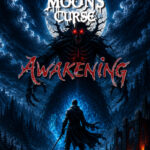
The search for the best dark fantasy series and for better monsters is the same search. Readers want beings that collect debts the land already signed. The Nythrall are moon-bound creditors in a finished trilogy: The Moon's Curse: Awakening, Descent, and Blood Moon. Enter the Veil at londynpublishing.com.