
The Keepers did not invent a religion for the Veil. They invented a shift.
In The Moon's Curse Trilogy, the earliest surviving hours-books do not open with a hymn. They open with a time, a node, a name, and a mark for whether the weave held. Someone walked the boundary. Someone wrote down what the land did. Then they went home. That is the whole job, until a later century decides the job looks more holy if you stop calling it work.
This is a lore note about that drift: how scheduled maintenance became liturgy, and why the thinning shows up in the ledger before it shows up in a sermon.
Hours, not sermons
A Keeper's hour is a unit of attention. It is not a blessing. It is the length of time a person can stand at a node without lying about what they feel.
Lira Thornfield finds this first as a filing problem. The archive still has hours-books. The later Church of Lux indexes treat those same pages as festival records. The dates line up. The labels do not. A clerk who files "observance" over "inspection" has not improved the document. They have hidden the cost of keeping the living contract intact.
Auren Draevan never needed the index. He walks the quiet map and knows when a node has been skipped. The land does not wait for a feast day. It waits for the person who was supposed to arrive at dusk and did not.
Evan Hartwell meets the same fact as weather. The Veil thins where the hours stop. He does not need Father Kalen Draemir to name it. He feels the gap the way a road feels a missing stone.
What the last clerk still wrote
The last clerks who took the hours seriously wrote ugly pages. They noted lean, silence that changed direction, a hush that owned a corner of a settlement. They did not dress those notes as prophecy. They dressed them as attendance.
That is why the books still matter Beyond the Veil of later doctrine. You can argue with a sermon. You cannot argue with a blank line where a name should be. A skipped hour is a policy, even when the cathedral later calls it rest.
The moon-bound Nythrall did not need the Church to invent a calendar. They already had one. Keepers who kept honest hours were the only human side of that calendar. When the hours became ceremony, the human side started arriving late on purpose and calling the lateness faith.
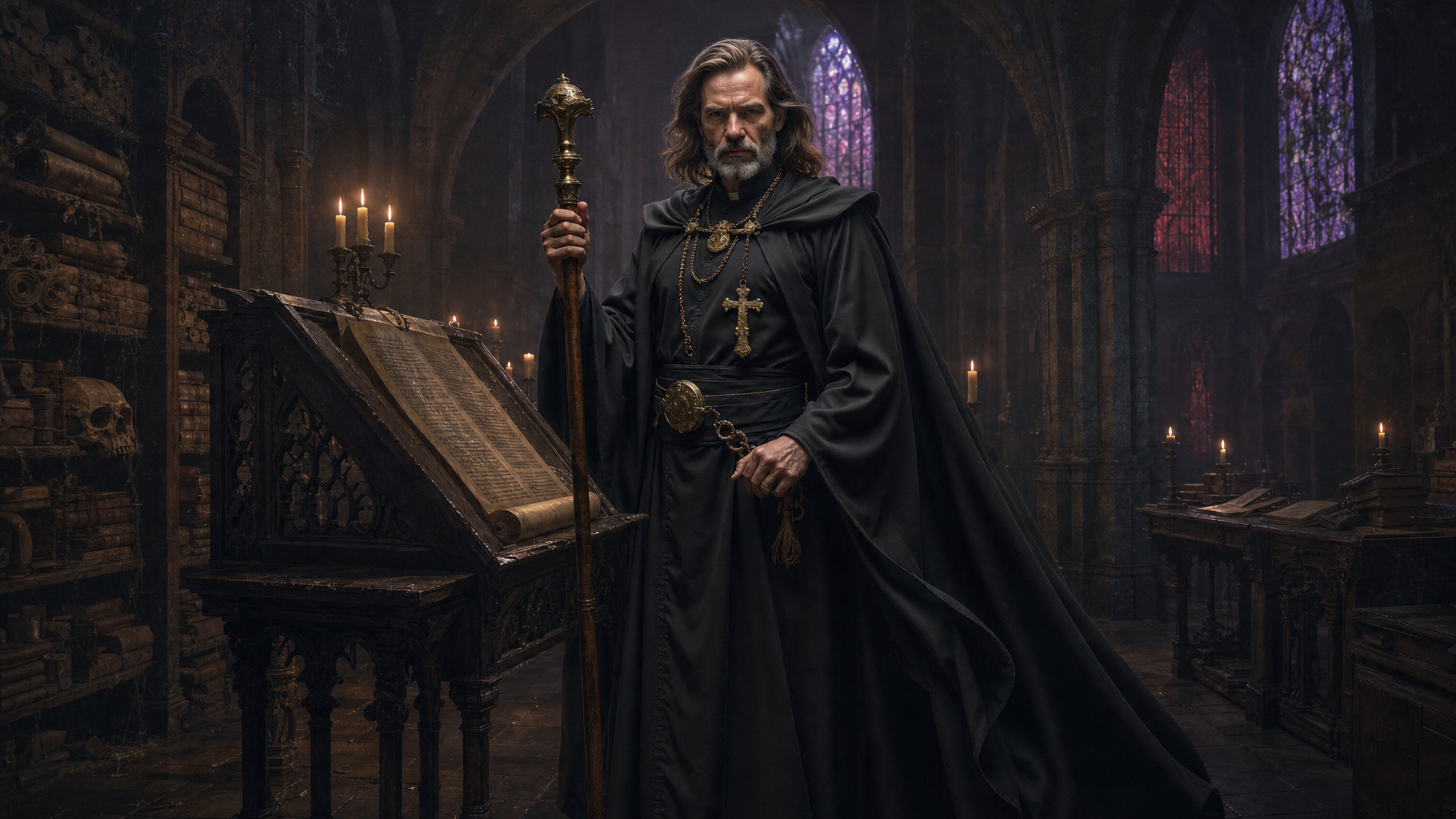
Father Kalen and the category error
Father Kalen Draemir is not confused about candles. He is precise about categories. If maintenance is filed as liturgy, then failure can be filed as sin, or as mystery, or as an animal problem. None of those filings repair a node.
The Blood Moon, in his mouth, becomes a due date dressed as doctrine. The hours-books would have called it a cycle you measure. The difference is not poetry. The difference is whether anyone is still assigned to stand at the weave when the date comes.
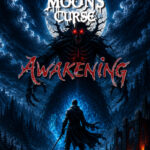
Readers who want the full arc do not need a lecture from the lectern. They need Awakening, Descent, and Blood Moon in order, because the ledger and the road only make sense together. Start at londynpublishing.com. The war is already finished on the shelf.
A field rule for this lore
If a scene in the trilogy treats a ritual as pretty, look for the hours underneath it. If you cannot find the hours, the Veil is already unpaid.