
Why Moonbound Creatures Hit Harder Than Vampires
Moonbound creatures in dark fantasy carry a different weight than traditional vampires. A vampire chooses the hunt. A moonbound creature answers to something older, a cycle it did not write and cannot negotiate with.
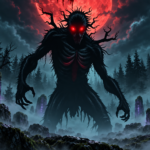
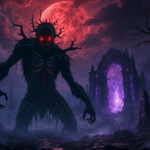
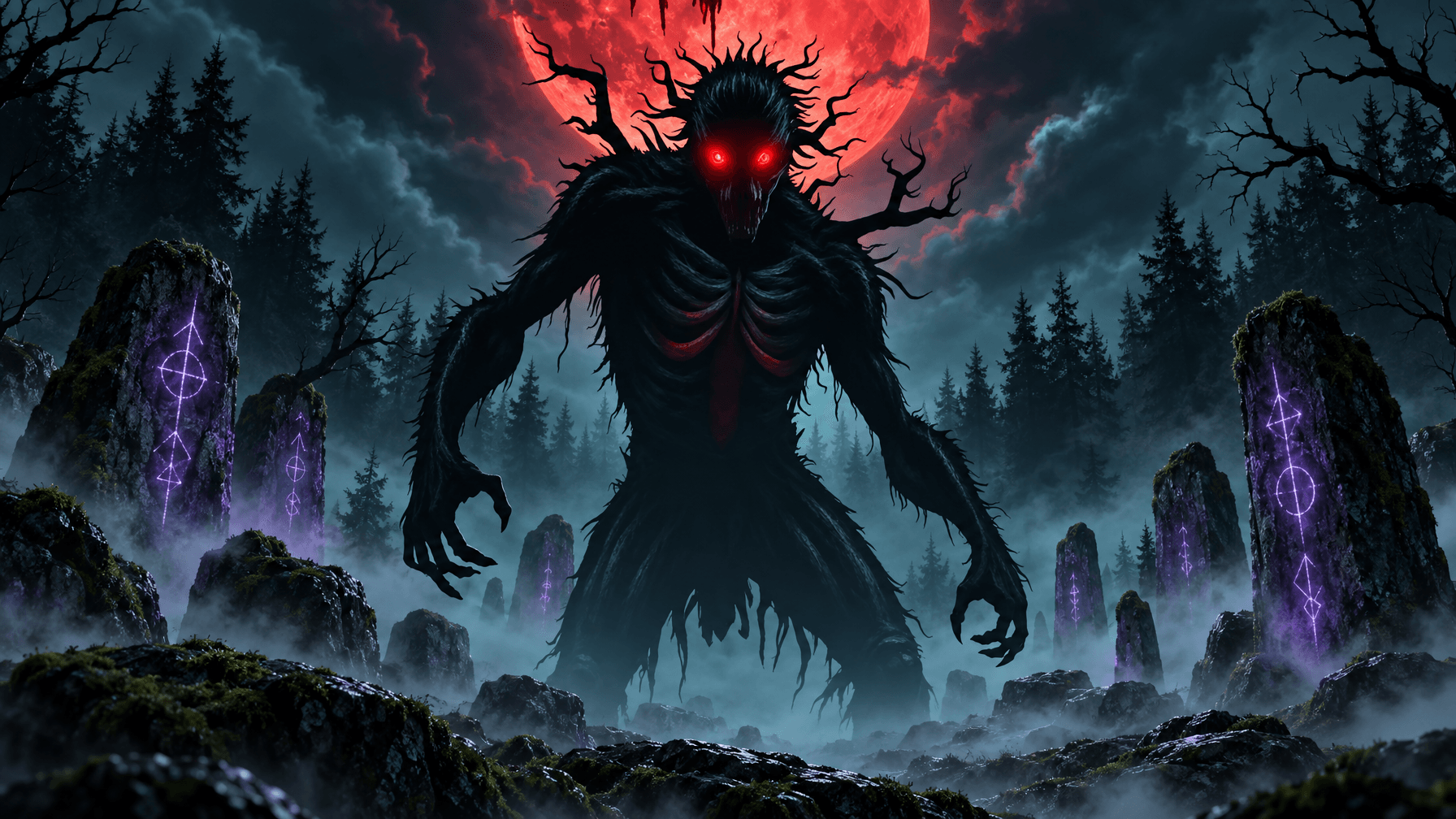
That distinction sits at the heart of The Moon's Curse Trilogy. The Nythrall are moon-bound, not undead aristocrats. They do not brood in castles or trade witty threats. They gather quietly at the tree line, they wait, and when the Blood Moon rises, the old agreements stop holding.
Bound, Not Turned
The classic vampire story is a transformation story. Bite, change, new appetites. The moral question is what the turned person does with hunger.
Moonbound horror works the other way. The creature was never given a choice, and neither were the people living near it. The binding came first. Appetite is just the symptom.
That is why readers find moonbound creatures so unsettling. There is no villain to reason with and no cure to chase. There is only a calendar, a sky, and a thinning barrier between the human world and what waits Beyond the Veil.
In the trilogy, this binding is literal. The Veil separating humanity from the Nythrall weakens in phases, and entire threshold communities have learned to read the signs: behavioor changes in livestock, wells that taste of iron, woods that go silent an hour too early. For more on how those communities survive, see how found family in dark fantasy is shared work.
The Moon as a Contract, Not a Backdrop
Most fantasy uses the moon as lighting. Moonbound lore uses it as law.
Think of the lunar cycle as a contract with three clauses:
1. The pale moon watches. Ordinary nights. The Veil holds. The Nythrall collect quietly, testing edges, learning names.
2. The full moon pressures. The barrier thins. Sensitives like Evan Hartwell feel it behind the eyes. Doors that once stayed shut need barring.
3. The Blood Moon collects. The old terms come due. What was borrowed must be paid, and the Nythrall arrive to settle the account.
This structure gives moonbound stories a built-in dread curve. Readers are not waiting to find out whether something happens. They know the due date. They are waiting to see who understands the terms in time. The story of Brother Tomas Delsur shows what that waiting costs the people tasked with keeping the hours.
Why Readers Prefer the Moonbound Right Now
BookTok and dark fantasy circles have shifted toward monsters with rules. Readers want magic systems, creature logic, and costs that cannot be argued away. The moonbound deliver all three:
- Clear rules. The cycle governs behavior, so every scene carries stakes the reader can track.
- Shared jeopardy. Nobody is special enough to be exempt, which makes ensemble casts matter.
- Atmospheric payoff. A red moonrise is cinematic in a way a single bite rarely is.
It also fits the finished-series moment. Readers burned by decade-long waits want a complete descent into darkness with an actual ending. A moonbound cycle promises exactly that: a beginning, a thinning, and a reckoning.
How We Built the Nythrall
Three design choices keep the Nythrall distinct from vampire tradition:
1. Hunger is secondary to obligation
The Nythrall do feed, but feeding is not the point. They are drawn to thresholds, crossings, and debts. They gather where vows were spoken and where boundaries were marked. Blood is the medium. The message is older.
2. Silence is their signature
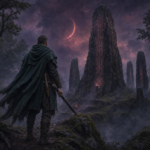
Where vampires monologue, the Nythrall hush. Birds drop the last note. Dogs stop mid-warning. Rangers like Auren Draevan read that silence the way sailors read weather, because by the time you see crimson eyes, the groundwork is done.
3. The moon writes their range
The paler the moon, the further they must stay from settled ground. The redder it runs, the closer they can stand to your door. That single rule drives every tactical decision in Descent and pays off fully in Blood Moon.
Scholars in-world disagree about what the Nythrall were before the binding. Field notes compiled by Lira Thornfield argue they were guardians once, bent by a broken covenant. Parish records kept by Father Kalen Draemir argue they were always the price of the Veil itself. Both archives agree on one fact: the moon does not negotiate.
Where to Start
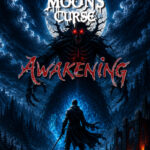
If moonbound horror is new to you, start with The Moon's Curse: Awakening. Watch for the quiet chapters first, the ones where nothing attacks and everything changes. That is the moonbound signature: dread before teeth.
Then follow the cycle through Descent and Blood Moon. The trilogy is complete, so the reckoning the early chapters promise is one you can actually reach.
The Veil is weakening. The moon keeps its appointments. Enter it finished, and see what waits on the far side.