
What Makes a Dark Fantasy Series Unforgettable? 7 World-Building Elements Readers Crave
Dark fantasy is experiencing a massive renaissance. Readers across BookTok, Reddit, and fantasy forums are actively turning away from traditional noble-bright tropes in search of stories that feel dangerous, atmospheric, and unsparing. They are looking for worlds where victory demands real sacrifice, magic carries a terrifying cost, and ancient history presses down heavily on the living.
What transforms a dark fantasy book from a standard adventure into an unforgettable, binge-worthy saga?
Whether you are a reader searching for your next dark fantasy book series or an indie author crafting your own lore-rich universe, these seven core world-building elements define the dark fantasy stories that resonate long after the final page.
1. Magic That Costs More Than It Gives
In high fantasy, magic is often a clean tool—a force summoned by willpower or spoken incantations. In dark fantasy, magic is volatile, predatory, and deeply tied to sacrifice.
The most compelling magical systems force characters into impossible math. Power is never free; it requires blood, sanity, ancient pacts, or civilizational debt. When magic is treated as a dangerous resource rather than a convenient plot fix, every spell cast raises the stakes.
In The Moon's Curse Trilogy, magic exists as a fragile barrier called the Veil. Protecting humanity does not depend on simple belief; it requires strict adherence to ancient covenant clauses, blood oaths, and living contracts signed generations ago. When those contracts lapse under the Blood Moon, magic turns from a shield into an active threat.
2. Atmospheric Lore That Feels Older Than the Characters
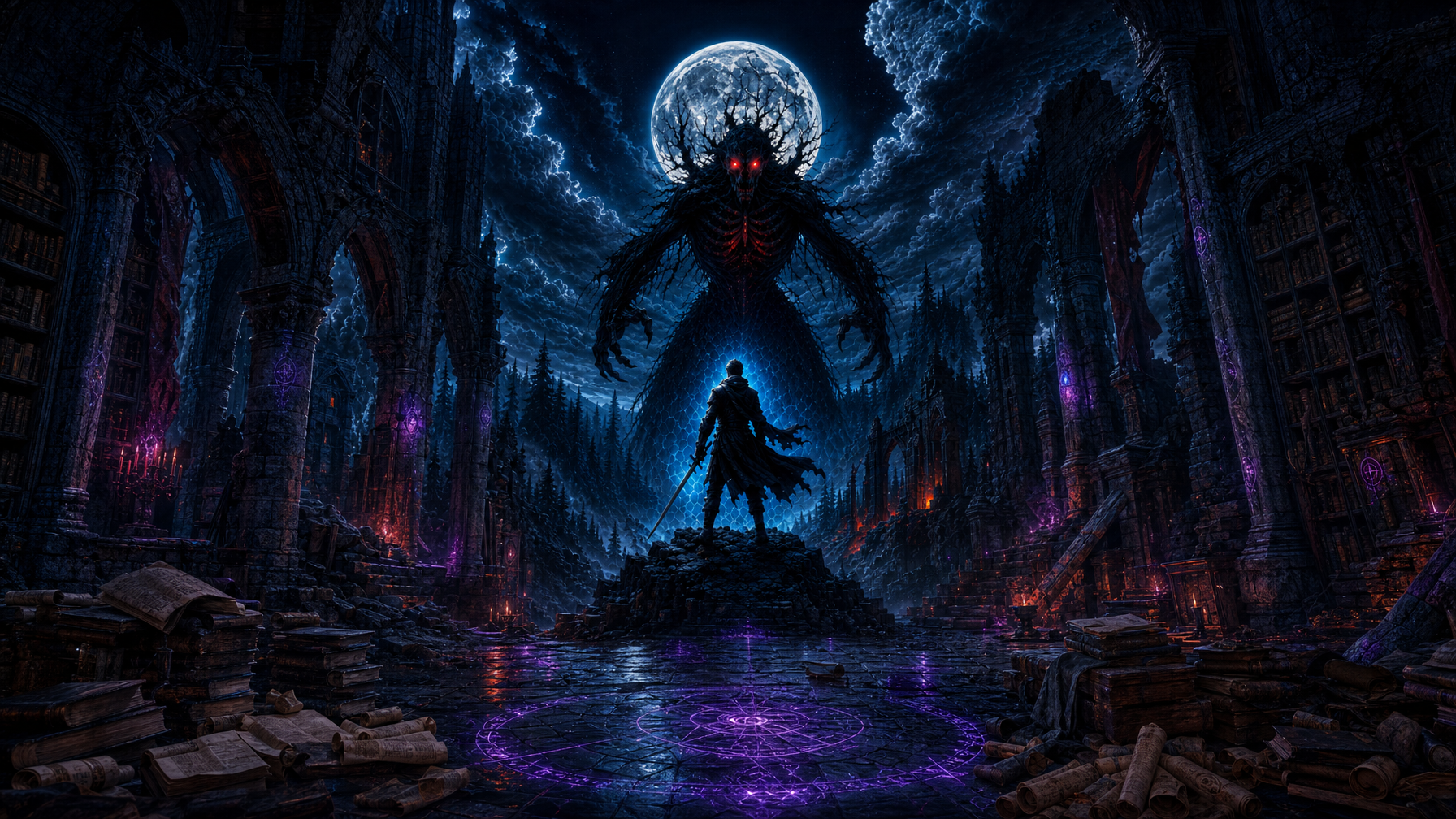
Great dark fantasy universes give the impression that the world existed long before the protagonist entered it and will endure long after they fall. The history should feel heavy, layered, and slightly decayed.
Instead of heavy exposition dumps, atmospheric lore is revealed through physical remnants:
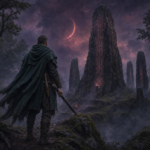
- Fallen Monuments: Ruined fortresses where wards were abandoned during past cataclysms.
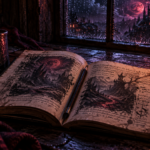
- Redacted Archives: Ancient ledgers where key historical names have been deliberately erased.
- Field Literacy: Local border communities that survive not by fighting ancient monsters, but by reading subtle shifts in the landscape when the air turns quiet.
When readers encounter ancient lore embedded in the environment, the world feels lived-in and real.
3. Monsters Driven by Law and Logic, Not Mindless Malice
The most terrifying antagonists in dark fantasy are rarely mindless beasts that attack without cause. True dread comes from entities that operate under cold, relentless rules.
Consider the difference between a generic monster and a creature bound by a strict mythological contract:
- Mindless beasts create jump scares.
- Entities bound by ancient covenant law create existential dread.
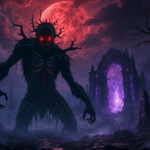
In The Moon's Curse, the Nythrall are moon-bound shadow entities rather than traditional vampires. They do not hunt out of chaotic hunger; they operate as signatories to an ancient treaty. Their return under the Blood Moon is not a surprise raid—it is the collection of an overdue debt written into the stone anchors of the borderlands.
4. Morally Complex Characters in Impossible Situations
Dark fantasy thrives in gray areas. Readers love morally complex protagonists who must navigate corrupted institutions and flawed allies.
The central conflict should test opposing philosophies:
- The Pragmatist: A holy figure who calculates that surrendering to ancient powers is the only way to ensure human survival.
- The Rebel: A warrior with green eyes drawn to the breach, refusing to let innocent communities be traded away for temporary peace.
- The Scholar: A researcher combing through ancient manuscripts to discover where the original treaty failed.
When no choice is clean and every decision carries heavy consequences, character arcs become emotionally gripping.
5. Completed Series and Binge-Worthy Series Continuity
One of the biggest friction points for fantasy readers today is starting a series only to wait years for the next installment. Completed series win because readers can fully immerse themselves without fear of an abandoned storyline.
Dark fantasy readers crave deep continuity across a trilogy:
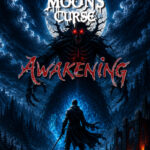
- Book 1 (Awakening): The initial cracking of the status quo, where hidden threats surface and long-held beliefs crumble.
- Book 2 (Descent): The expansion of the world beyond familiar borders, uncovering the dark origins of ancient covenants.
- Book 3 (Blood Moon): The ultimate clash of philosophies, where every oath made in the earlier books comes due.
Knowing that a dark fantasy series is finished and fully available gives readers the confidence to dive in.
6. A Setting Where the Environment Is a Living Character
In gothic and dark fantasy, the landscape is never just background scenery. The weather, architecture, and wilderness actively reflect the thinning barrier between worlds.
Dark fantasy settings rely on vivid sensory details:
- Fog that clings to ancient stone cathedrals long after sunrise.
- Border forests where birds stop singing because the Veil has warped the local air.
- Deserted trade routes marked by standing stones whose sigils have gone cold.
When the environment reacts to the supernatural state of the world, readers are drawn directly into the atmosphere.
7. A Narrative That Respects Reader Intelligence
The best dark fantasy books refrain from over-explaining every mechanic of the world. They leave room for mystery, allowing readers to piecemeal the lore alongside the characters.
By trusting readers to connect the dots between ancient prophecies, forgotten sigils, and character motivations, authors build dedicated fandoms that discuss theories, analyze quotes, and re-read the series to catch missed details.
Step Beyond the Veil
If you are looking for an atmospheric, lore-rich dark fantasy series featuring moon-bound shadow entities, ancient covenant magic, and high-stakes conflict, explore The Moon's Curse Trilogy by Jason Moore.
The complete saga—Awakening (Book 1), Descent (Book 2), and Blood Moon (Book 3)—is available now in paperback, hardcover, and eBook at londynpublishing.com. Step Beyond the Veil and discover a dark fantasy world where every covenant carries a price.