
Description
BookTok often files “dark fantasy” next to spice and romantasy. This piece names the dread-first reader, how they sort recs, and where The Moon’s Curse fits.
BookTok Dark Fantasy Without the Romantasy Filter: Recs for Dread-First Readers
#TLDR
A lot of BookTok “dark fantasy” is romantasy with a gothic filter. Dread-first readers want a world already under strain, creatures with rules, and a finished arc. They ask for atmosphere before they ask for a pairing. Reddit threads keep splitting “spooky gothic” from “dark romance.” Other threads ask for tension without spice. The Moon’s Curse is built for that second shelf: moon-bound Nythrall, a Veil that behaves like a contract, and a complete trilogy.
What “dark” means on the For You page
Open BookTok and “dark fantasy” often lands next to enemies-to-lovers, spice ratings, and a castle that exists so two people can argue in it. That shelf is real and it sells. It is not the only dark shelf.
Readers who want dread first keep posting the same correction: gothic weather is not the same as a dark plot. A r/fantasyromance thread on spooky gothic recs even points sideways to posts titled “Books that are Dark Fantasy but Not Dark Romance.” Adjacent YA lit threads ask for atmosphere and character tension instead of sex scenes. The request is consistent: keep the weather, drop the assumption that the plot is a pairing.
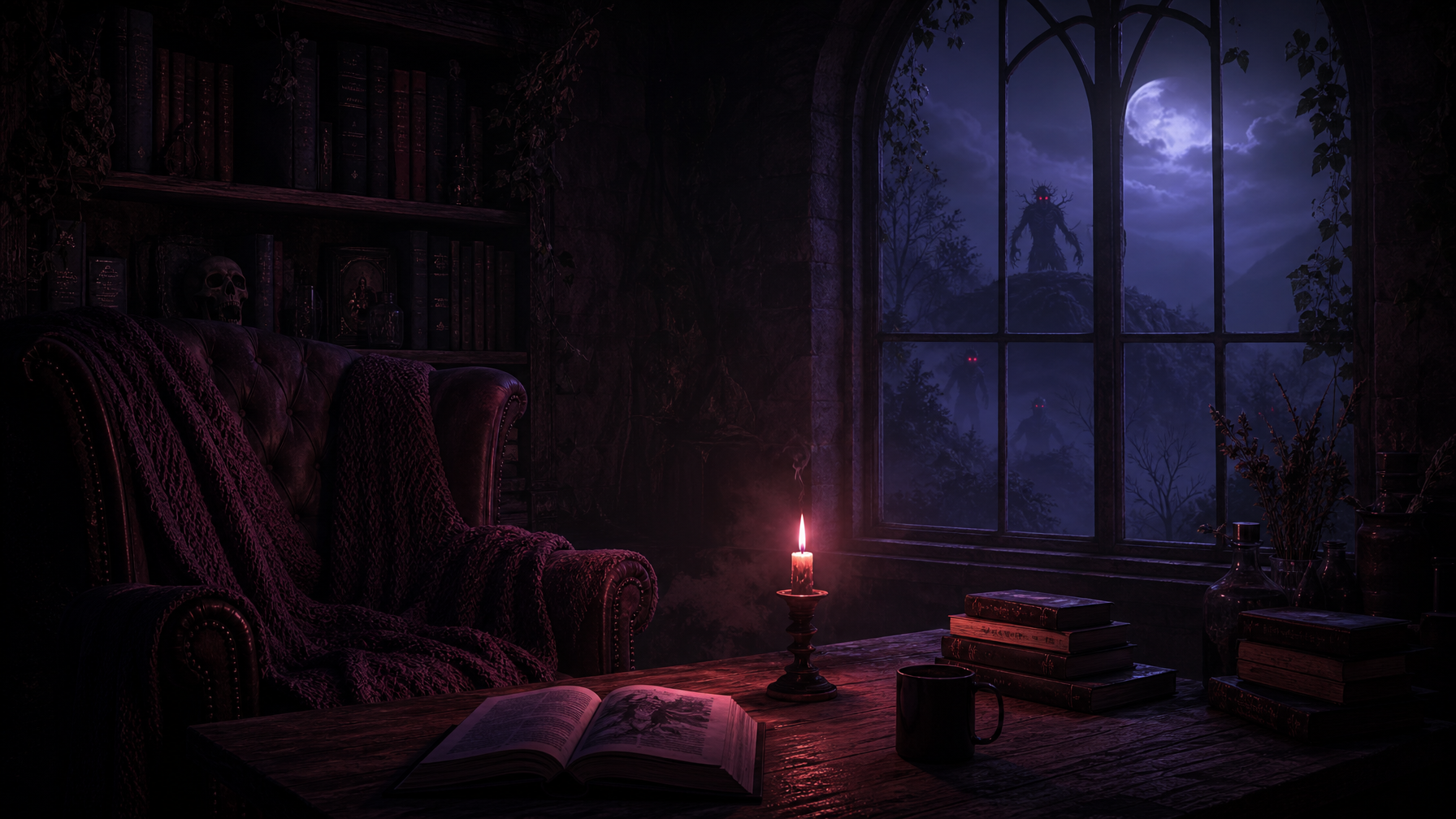
Dread-first reading is a pacing choice. You stay for the hush before the breach, the institution that misfiles the threat, the creature that waits because its law says wait.
How dread-first readers sort a rec video
They skip the trope list and listen for four tells.
1. What is already broken. Soft openings teach you to relax. Strong dark fantasy often starts mid-failure: a contract thinning, a town that already knows how to walk a ridge, a church that reclassified a binding as heritage. If the rec only names aesthetic (candles, blood, black covers), it is styling.
2. What the monster is bound to. Vampire-adjacent recs crowd the algorithm. Original creature law is rarer. If the monster’s hunger is only a metaphor for desire, you are back in romantasy. If its hunger answers a calendar, a moon, or a clause, you are closer to dread.
3. Who holds which literacy. Multi-POV works when heads do not share one secret on a delay. Archive knowledge, field craft, theology, and frontline stubbornness should collide. If every POV exists to orbit one romance, the world is set dressing.
4. Whether the series is finished. Binge culture punishes unfinished sagas. Dread compounds across volumes only if volume three already exists.
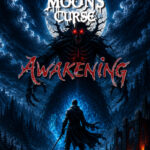
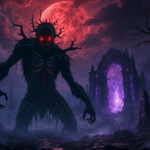
At Londyn Publishing, those four tells shaped The Moon’s Curse. The Veil is a living contract under stress, not a wall that appears in chapter one. The Nythrall are moon-bound shadow entities, not traditional vampires. Evan Hartwell, Lira Thornfield, Auren Draevan, and Father Kalen Draemir do not share one truth file. Awakening, Descent, and Blood Moon are already on the shelf.
A short BookTok rec script that does not lie
If you make recs, try this order: status, threat logic, literacy split, then (if it exists) relationship texture.
- Complete dark fantasy trilogy.
- World already reading silence like weather.
- Creatures on a lunar tether, not a nightclub schedule.
- Scholar, ranger, priest, and warrior who disagree about what the hush means.
- Romance is not the engine.
That script is honest. It also filters the right comments: people who want spice ratings bounce; people who want Beyond the Veil lore stay.
For more on how finished trilogies change the read, see our piece on complete dark fantasy series. For the BookTok “is it complete” gate we wrote earlier this month, start with the finished-filter post.
Where The Moon’s Curse sits on that shelf
Awakening teaches the Veil was never a wall. Descent lets archive and field stop agreeing. Blood Moon treats the lunar cycle as a due date, not mood lighting.
You can start at londynpublishing.com. Paperback, hardcover, and eBook are live. If your For You page keeps handing you romantasy labeled dark, this is the other stack: dread first, pairing optional, ending already written.
Conclusion
BookTok did not invent dark fantasy. It did flatten the label. Dread-first readers already know how to ask better questions. Answer them in that order and the right people find the Veil.