
When readers open an epic saga, the archetype of the central warrior often carries predictable baggage. Epic fantasy frequently relies on the chosen savior blessed with unearned destiny, while grimdark tends to swing toward the nihilistic mercenary motivated solely by coin or spite. Yet when analyzing compelling dark fantasy characters, the most enduring protagonists exist in the tense space between those extremes. They are neither immaculate paladins nor indifferent cynics. They are reluctant custodians of consequence.
In high-stakes dark fantasy, heroism is rarely about righteous conquest or glorious battlefield charges. It is about endurance, institutional memory, and the exhausting maintenance of boundaries that everyone else has chosen to forget. When the world operates under ancient contracts and unforgiving supernatural laws, the protagonist cannot solve systemic collapse with a single swing of a sword.
1. Beyond the Chosen One: The Reluctant Custodian
The traditional “Chosen One” trope often strips a narrative of tangible friction. If an ancient prophecy guarantees victory, danger becomes a temporary delay rather than a genuine catastrophe. Conversely, the purely self-interested antihero can leave readers emotionally detached when every moral choice dissolves into predictable cynicism.
Substantive dark fantasy bridges this gap by redefining the warrior’s role. Rather than an infallible champion chosen by the heavens, the central figure is often an ordinary professional trapped in extraordinary decline. They are boundary wardens, scouts, or disavowed soldiers whose duty is not to vanquish evil once and for all, but to hold back the tide long enough for settlements to survive another season.
Their authority stems not from divine birthright, but from competence, restraint, and an intimate understanding of the costs of failure. They know that in an unforgiving world, drawing steel is often an admission that every preventative measure has already collapsed.
2. Evan Hartwell and the Burden of the Frontier
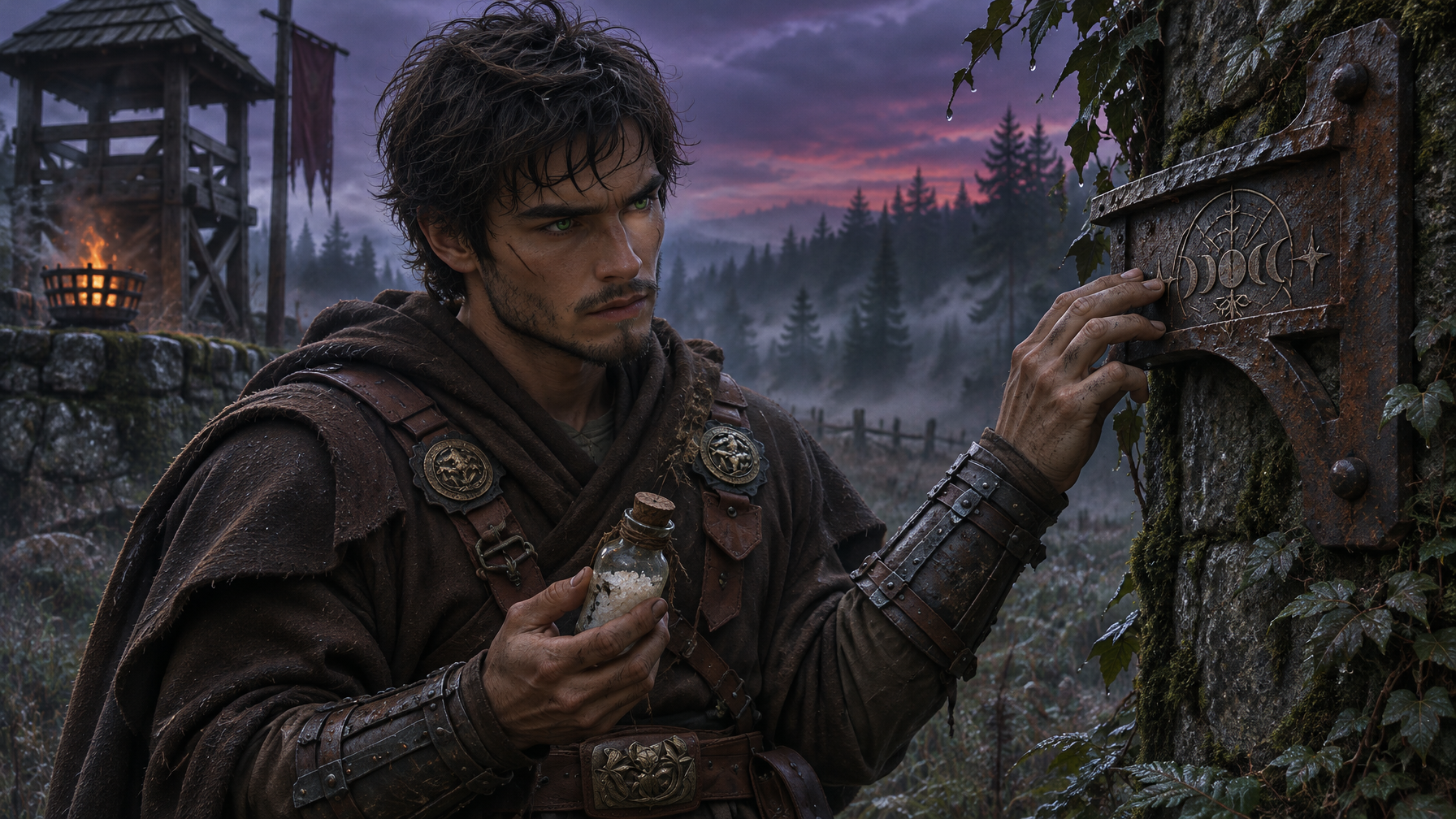
In The Moon’s Curse Trilogy, this philosophy shapes protagonist Evan Hartwell. Armed with intense emerald eyes, weathered leather, and iron-reinforced gear, Evan is not an invincible conqueror. He is a warrior whose primary weapon is vigilance rather than fury.
Stationed along the neglected Rimward Margin, Evan understands that the barrier separating mortal realms from monstrous predation is not an impenetrable stone wall. It is the Veil, an ancient, fraying metaphysical construct governed by centuries-old pacts. As examined in our previous look at why frontier doors stay unbarred in threshold settlements, physical oak and iron bars mean nothing to entities that slip through stone. Survival on the frontier requires rigorous protocol: checking the unrefined mineral salt lines on window sills, monitoring rusted boundary brackets, and tracking subtle drops in forest temperature before drawing a blade.
Evan embodies the grim reality of frontier stewardship. While central capitals squander resources and debate politics, boundary keepers like Evan Hartwell stand in damp, quiet watchposts measuring default in inches. He does not fight for personal glory or political ambition. He fights because the alternative is total harvest beneath the rise of the Blood Moon.
3. The Architecture of Restraint: Competence Over Bravado
What elevates modern dark fantasy protagonists above generic action heroes? The answer lies in their relationship with violence and restraint:
- Vigilance Before Violence: The most capable dark fantasy warrior knows that combat is a desperate, messy last resort. Evan Hartwell checks the alignment of boundary brackets and salt thresholds long before reaching for his hilt. When monsters operate under cosmic covenants, brute force without tactical awareness is suicide.
- Institutional Realism: Rather than wandering unburdened through a fantasy map, compelling protagonists operate within the logistical friction of their world. They calculate dwindling garrison supplies, repair decaying infrastructure, and bear the psychological toll of fighting an enemy that never tires.
- Moral Grounding Without Naivety: Unlike nihilistic mercenaries who abandon morality entirely, resilient protagonists cling to a disciplined personal code. They harbor no illusions about the darkness they face, yet they refuse to let pragmatic necessity erode their humanity.
- Dynamic Partnership with Knowledge: A lone warrior cannot unravel a collapsing world. In The Moon’s Curse, Evan’s physical defense is inextricably linked to scholar Lira Thornfield’s archival research. Just as seen in Lira Thornfield’s analysis of covenant law, physical survival on the frontier requires understanding the legalistic terms that govern supernatural incursions.
4. Facing the Moon-Bound: The Cost of Inaction
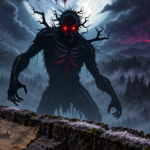
A dark fantasy protagonist is only as compelling as the threat they stand against. In The Moon’s Curse, Evan does not duel human rivals in grand tournaments. He confronts The Nythrall, ancient shadow entities bound to the moon who harvest mortal souls as payment for broken ancient covenants. They cannot be reasoned with, bribed, or intimidated.
Standing before such cosmic dread strips away romantic fantasy tropes. Evan’s journey across Awakening, Descent, and Blood Moon demonstrates that heroism in dark fantasy is measured by what a character is willing to endure when victory offers no parades or monuments. The reward for surviving the night is simply the obligation to prepare the boundary for the next dawn.
Enter the Veil
For readers who appreciate character-driven storytelling where magic carries severe consequence and protagonists earn every inch of ground, The Moon’s Curse Trilogy offers a complete, uninterrupted saga. Written from beginning to end with unbroken continuity, the complete trilogy is available now.
Explore the full series in paperback, hardcover, and collector editions at londynpublishing.com and discover what lies beyond the Veil.