
Recent shifts across BookTok highlight a noticeable evolution in reader appetites. While atmospheric mood boards, candlelit shelves, and dagger-to-throat tropes initially drew millions of readers toward dark fiction, community discourse has increasingly pivoted toward structural substance. Exploring current dark fantasy BookTok trends reveals that readers are moving away from decorative gloom and demanding stories where stakes carry lasting weight, magic functions with unyielding rules, and narrative continuity remains unbroken.
When atmospheric aesthetics operate without underlying mechanics, suspense dissolves quickly. Readers invest deeply in dark speculative worlds when power demands an irreversible cost and the consequences of default cannot be wished away. Looking closely at the discussions shaping BookTok, Bookstagram, and fantasy reading communities in 2026, four clear shifts define what discerning readers are looking for in their next dark fantasy obsession.
1. The Rise of Plot-First Dark Fantasy
For several seasons, BookTok algorithms elevated romantasy subgenres where worldbuilding served primarily as backdrop for romantic tension. However, a growing faction of readers actively seeks plot-first dark fantasy: narratives centered around systemic peril, institutional intrigue, and high-stakes supernatural conflict.
In plot-first storytelling, romantic subplots or interpersonal bonds are not erased. Instead, they are tested against uncompromising external realities. Characters cannot pause an impending invasion or ignore a failing border ward to engage in witty banter. Every personal loyalty must survive the friction of dwindling provisions, hostile terrain, and mortal consequences, creating the grounded realism readers celebrated in our breakdown of dark fantasy books with high stakes.
2. Demanding Consequence Over Decorative Aesthetic
A recurring critique among dark fantasy readers is the aesthetic bait-and-switch: books promoted with gothic, blood-drenched imagery that resolve conflicts through convenient third-act miracles. Readers are actively seeking out grim realism where violence leaves permanent scars, magic drains vitality, and ancient treaties cannot be overturned without paying their price in full.
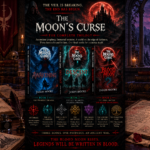
In The Moon’s Curse Trilogy by Jason Moore, author of Awakening, Descent, and Blood Moon, this principle governs every chapter. The primary antagonists are not charming aristocrats drinking wine in parlor rooms; they are the Nythrall, predatory moon-bound entities that function as living enforcers of default. When human settlements fail to maintain their boundary covenants, the Veil thins, and the predators cross the perimeter not out of personal malice, but to collect what was signed away. As explored in our deep dive into the Nythrall and moon-bound predators in dark fantasy, grounding horror in legalistic inevitability delivers far deeper dread than decorative darkness ever could.
3. The Preference for Finished Trilogies and Series Continuity
Hiatus fatigue is one of the most prominent topics across BookTok creator discussions. Readers who commit emotional and financial investment to sprawling fantasy epics increasingly express exhaustion over multi-year publication gaps and shifting authorial visions. A completed series offers an immediate, tangible benefit: pacing that never stutters and worldbuilding promises that actually pay off.
When a trilogy is written and audited as an interconnected whole, foreshadowing planted in the opening pages of volume one connects seamlessly to the final climax of volume three. Readers can immerse themselves in the journey of frontier wardens like Evan Hartwell and scholars like Lira Thornfield knowing the entire narrative arc is already bound and available on the shelf, an advantage examined in our discussion of dark fantasy books with complex worldbuilding.
4. Procedural Worldbuilding and Institutional Realism
The newest wave of dark fantasy enthusiasts shows particular fascination with institutional worldbuilding: how societies, cloisters, and frontier settlements actually operate when surrounded by hostile supernatural forces. Readers are captivated by the logistics of survival, whether that involves salt perimeters, liturgical brass bells, or ancient leaseholds recorded on decaying vellum.
Rather than relying on abstract divine power, procedural fantasy examines the labor required to keep the dark at bay. Wardens measure border salt with rusted calipers. Archivists translate centuries-old provincial treaties in cold scriptoriums. This attention to tactile friction transforms fantasy worlds from generic stage sets into living, breathing environments where every inch of domestic soil feels hard-won.
Step Beyond the Veil
If you are searching for a dark fantasy saga that moves beyond surface trends into relentless pacing, original moon-bound lore, and complete series continuity, step into The Moon’s Curse Trilogy. Experience Awakening, Descent, and Blood Moon in collector hardcover, paperback, and eBook editions at londynpublishing.com or browse the catalog in our books section.